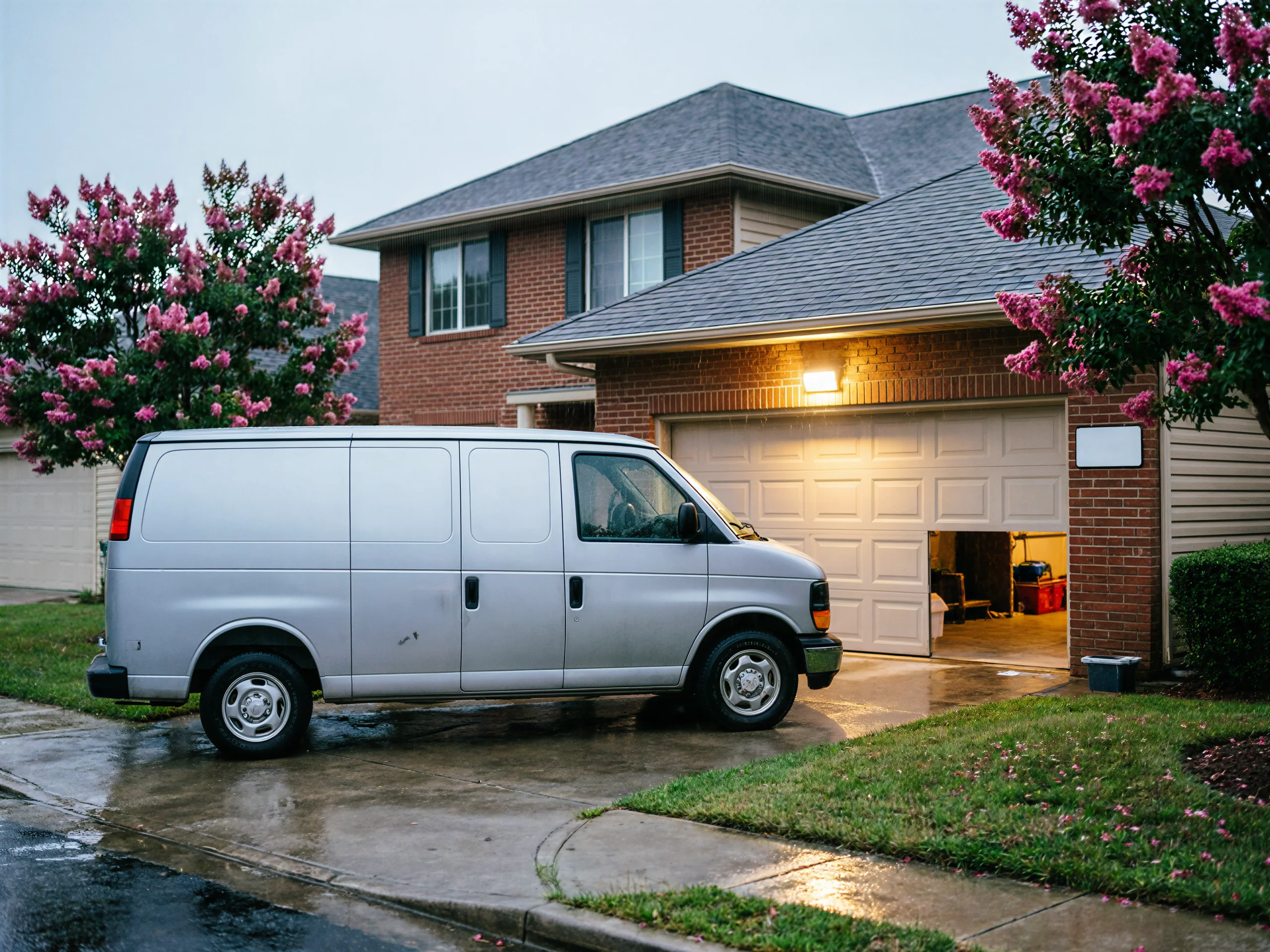
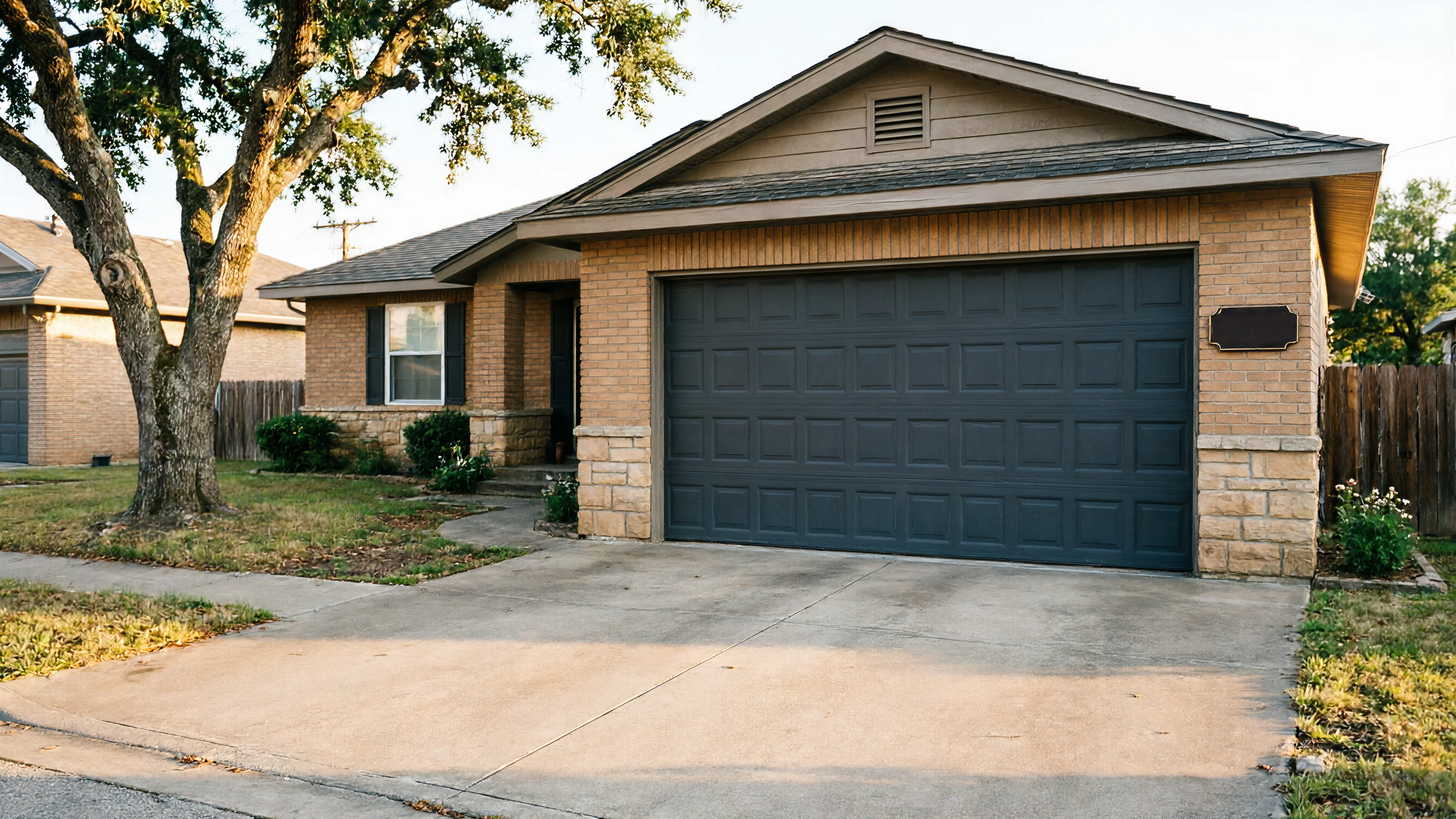
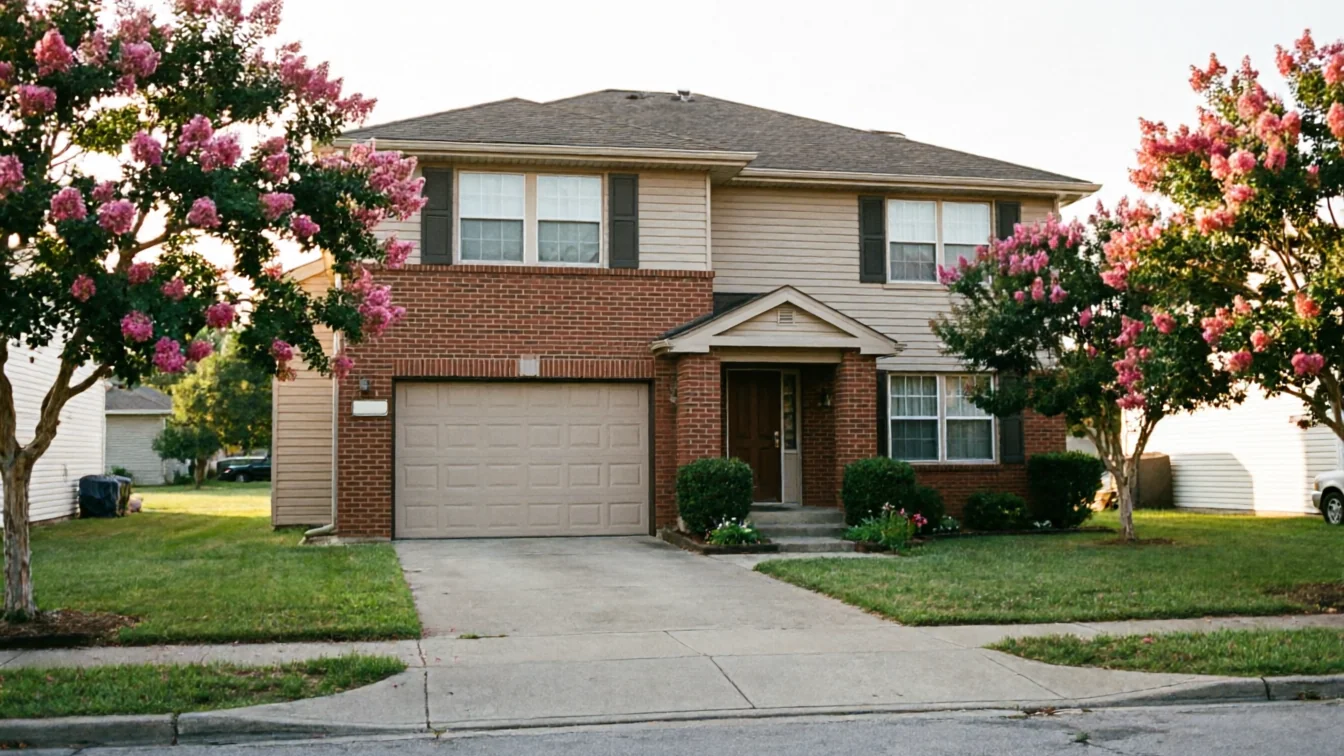
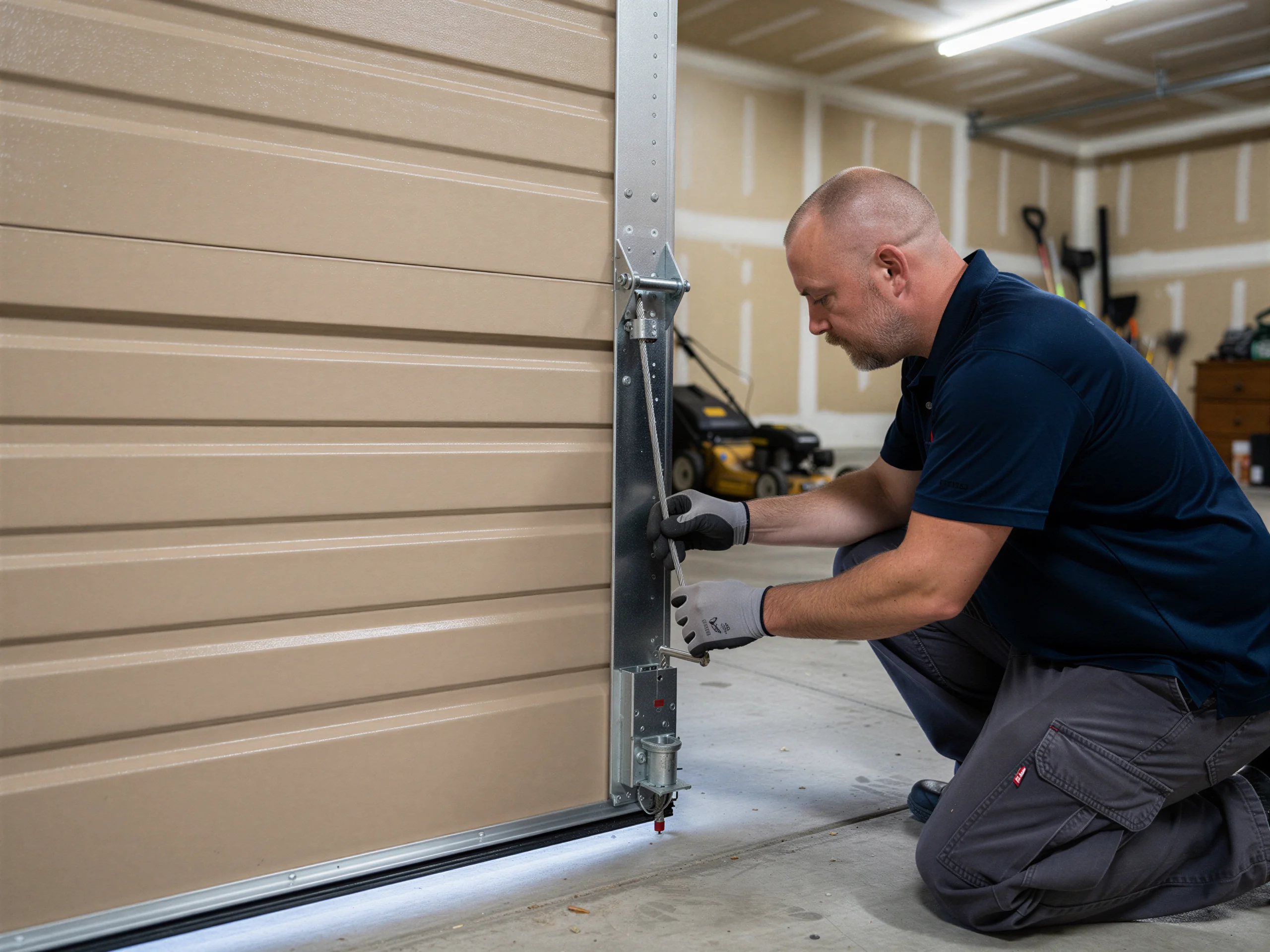
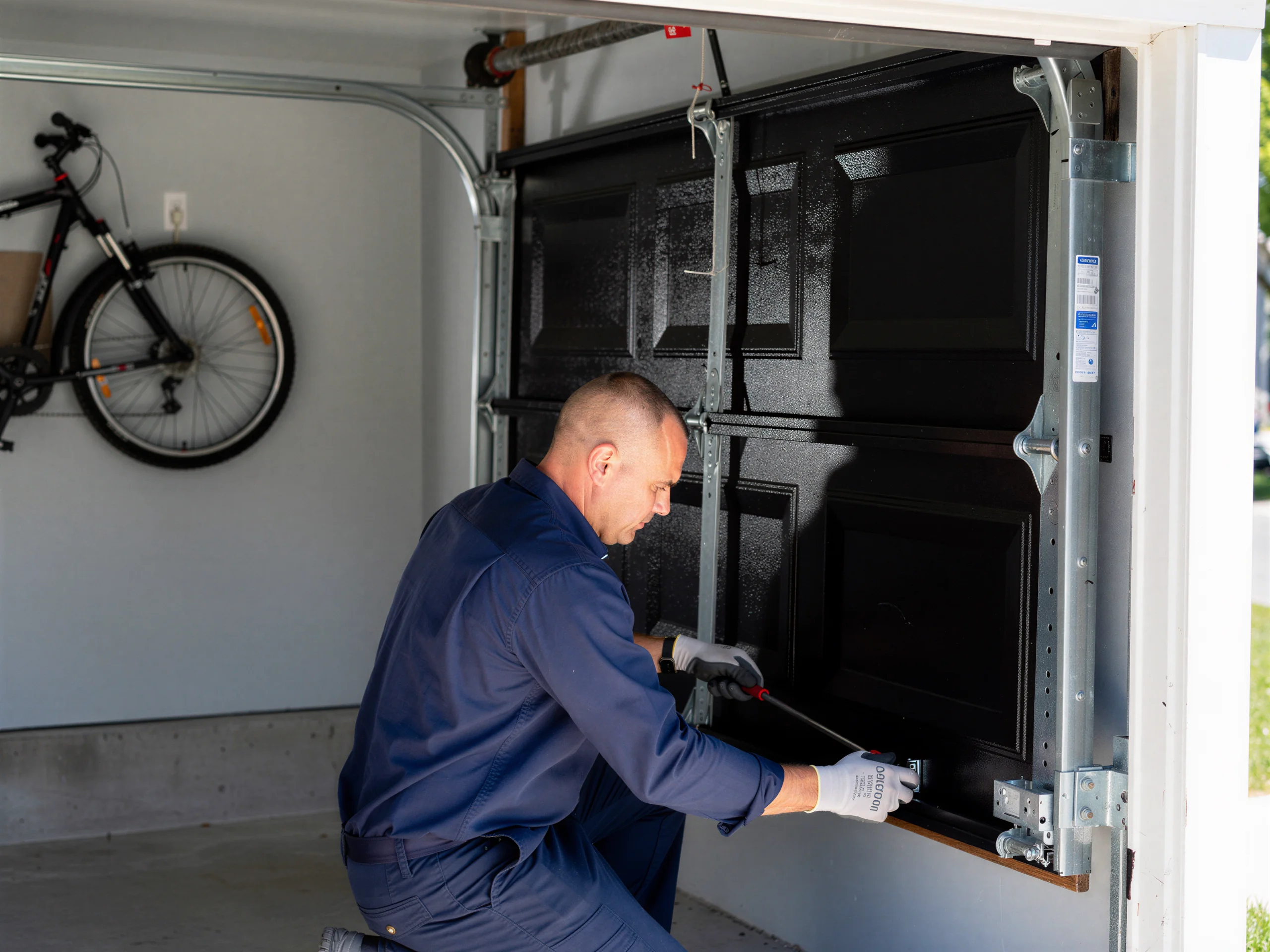
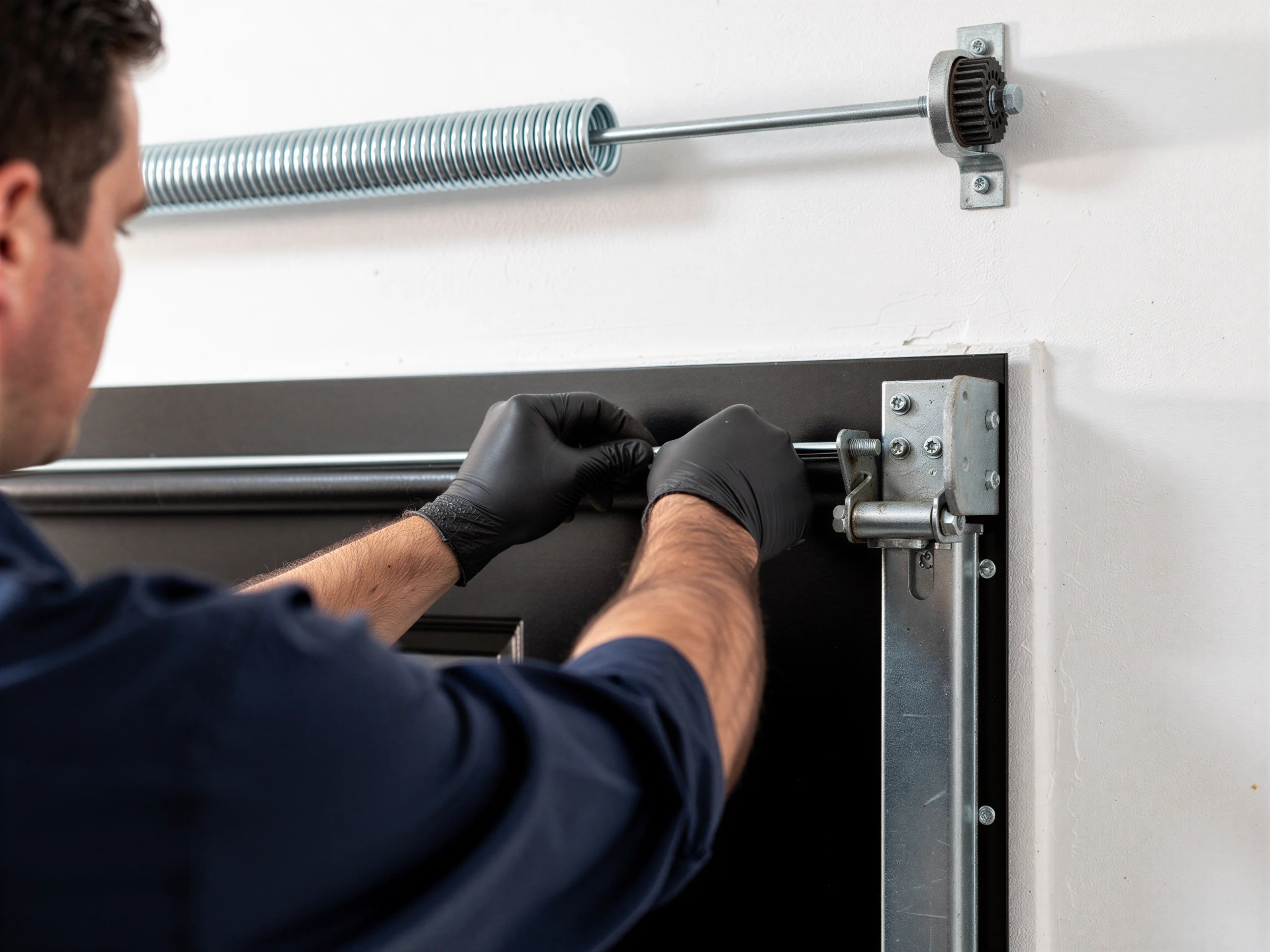
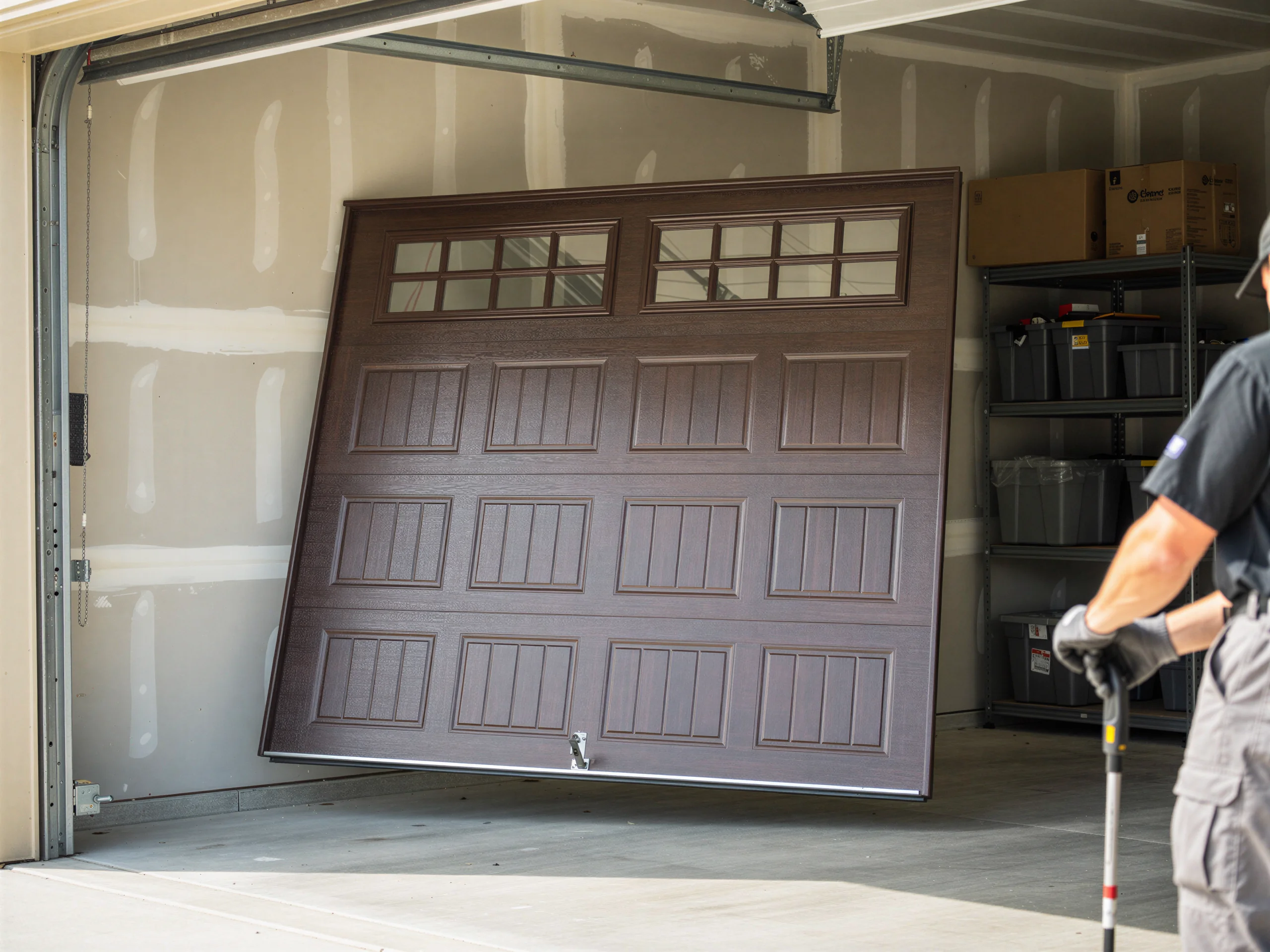
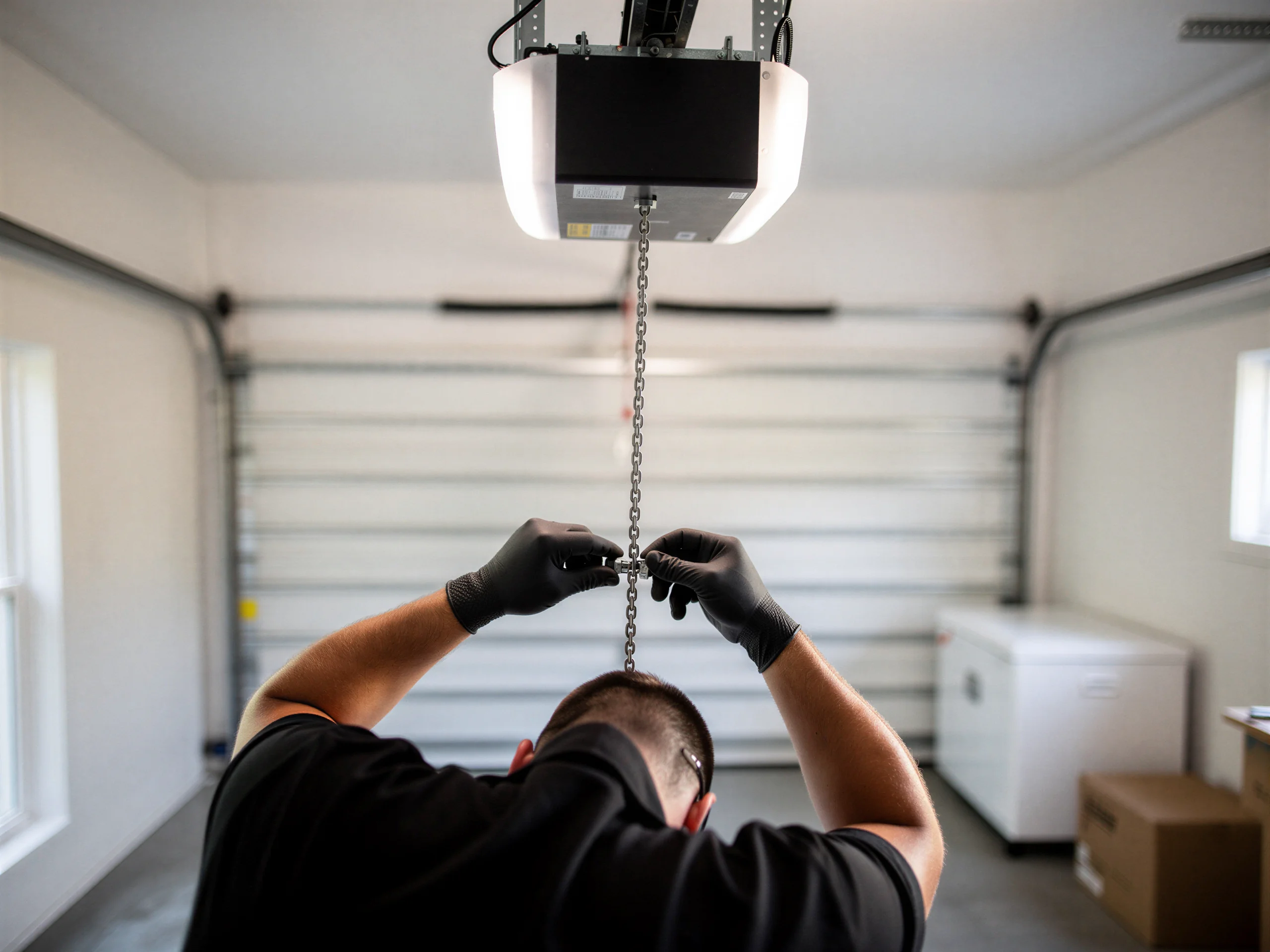
Mission Bend sits in a moderate-heat climate band, which doesn't bring the hard freeze-thaw cycling that cracks hardware in colder states, but it does mean steel components spend most of the year expanding and contracting in daily heat swings rather than seasonal ones. On a door from the mid-80s, that daily cycling has had decades to work lubricant out of the torsion spring coils and loosen the set screws on the drums.
The other driver is simply age distribution. Mission Bend's housing stock, like most of the roughly two dozen named areas in this service area, dates mostly to the 1980s and 90s - not the newer construction further out. That means the springs failing today across this stretch are largely original or first-replacement units reaching the end of a wind cycle around the same time, which is why we see clusters of spring calls from the same few years of construction rather than random houses.