
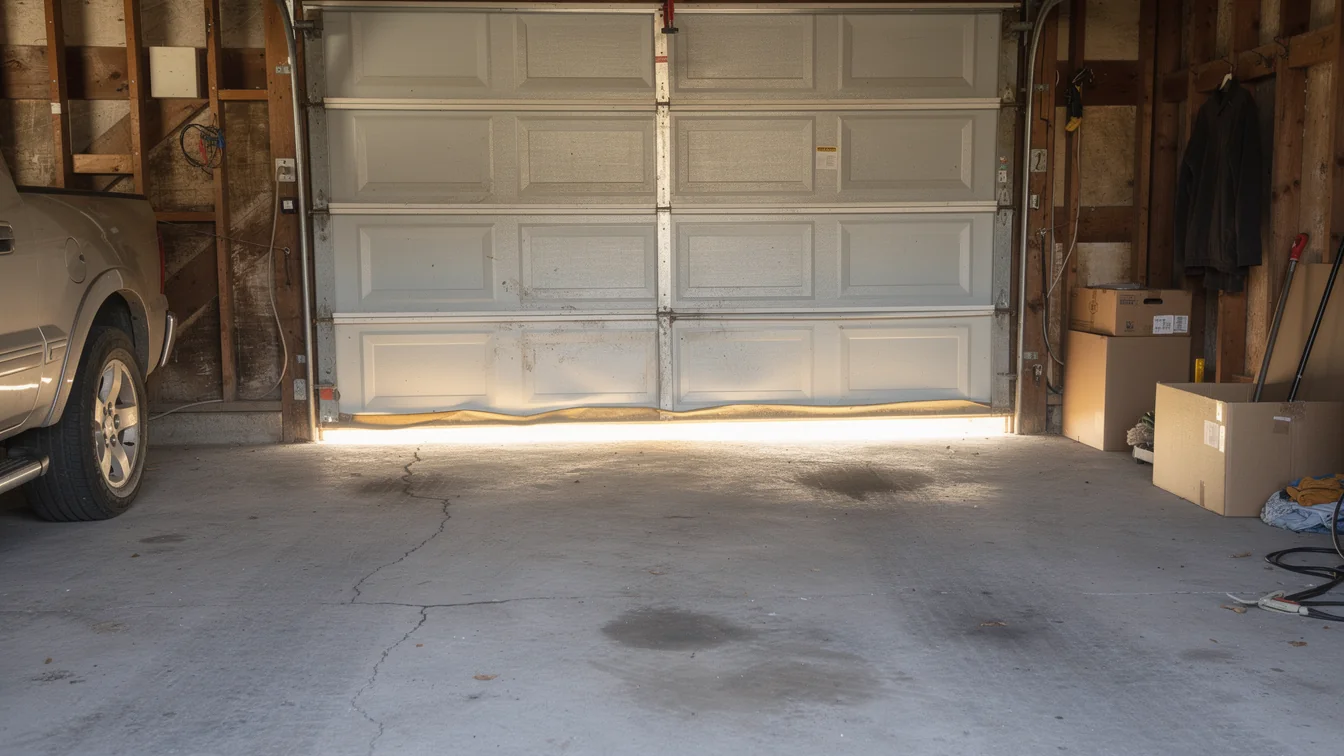
 What Sugar Land Weather Actually Does to Your Garage Door
How Sugar Land's 1976-2015 housing stock and moderate heat band wear on garage doors, and what to check first on homes near Telfair, New Territory, and Aliana.
What Your Garage Door Is Trying to Tell You
What a grinding, popping, or slapping garage door sound actually means in Sugar Land homes built 1976-2015, and which noises to check before they become a stuck door.
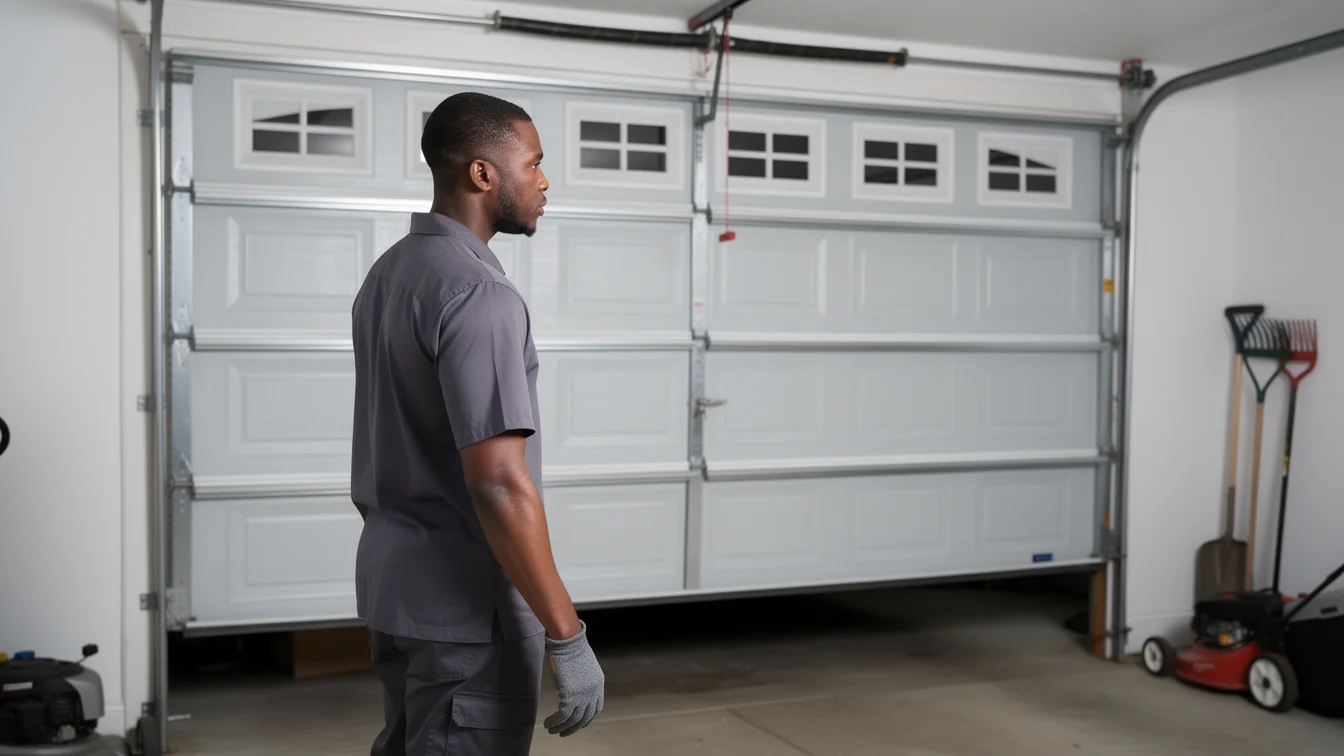
Local detail
Season by Season
Most garage doors in this service area sit on houses built between 1976 and 2015, with the bulk of the stock dating to the 1980s and 90s across the 23 named neighborhoods we work in. That matters for noise because torsion springs are rated in cycles, not years, and a spring installed when a house was built in 1995 is now three decades into a part that was never meant to last that long. Early in the year, a door that's been quiet all winter (such as it is here) will often start popping or clunking on the first really hot stretch, because the grease inside the bearings has thickened or dried out over months of low use. By midsummer, that same door may groan on the way up and slam on the way down as the opener's force settings fight hardware that's already loosening. Heading into fall, loose noises usually mean something has backed off - a bolt, a hinge, a bracket - rather than anything failing outright. The pattern repeats every year on houses of this age, and the noise itself is a decent clock for how far along the hardware is.
The area
What the Weather Here Does to It
This area sits in a moderate-heat climate band, which doesn't mean dramatic swings so much as long stretches of sustained warmth that slowly cook lubricant out of rollers, hinges, and torsion bearings. A door that sounded fine in cooler months can start squealing by late spring simply because the grease has thinned and run off the moving parts rather than cushioning them. Metal track also expands slightly in sustained heat, which is why a scraping sound that wasn't there before can show up on a door that hasn't been touched - the rollers are riding a track that's shifted by a fraction of an inch. None of this is dramatic weather damage; it's cumulative. A garage that faces west and takes the afternoon sun directly will usually show these symptoms sooner than one that doesn't, even on the same street. If your door has gone from quiet to noisy without anyone bumping it, heat-driven lubricant breakdown is the first thing I'd check, not a broken part.
What we find
The Situation
Across the 86,692 households in this area, roughly 68,630 are owner-occupied houses, and a large share of those still have the original opener or torsion spring from whenever the house was built. A door built in 1995 that's never had the spring replaced is running on 30-year-old steel under daily tension - and a spring doesn't usually warn you with one dramatic bang. It's more common to hear a faint ping or creak on the way up for weeks before the spring actually lets go. Grinding from the opener's gear is a different story and almost always means the drive gear or belt is worn, not the spring. A rhythmic thump once per rotation of the drum usually points to a flat spot on a roller. I bring this up because homeowners often assume any noise means the opener motor is dying, when in a house this age it's far more often a $20 roller or a spring at the end of its cycle life.
How we work
What to Look At First
Start with when the noise happens, not just what it sounds like. A squeal only on the way up is usually rollers or hinges starved for lubricant - common on houses that have sat through a few hot seasons without a tune-up. A metallic snap followed by the door refusing to open is almost certainly a broken torsion spring, and that's not a DIY fix - the spring is under enough tension to cause real injury, and I won't talk a homeowner through doing it themselves over the phone. A rattling track usually means a loose bracket, which is a five-minute tightening job if caught early. One honest limit: if the opener and the springs are both original to a house built in the 1980s or early 90s, I'm not going to recommend patching one part and leaving the rest - replacing the whole hardware set at that age is usually cheaper over time than repeated service calls on worn-out parts.We serve Sugar Land and the surrounding area - see [/] for how to reach us.
Questions
Common questions
Why does my garage door squeal only in summer?
Heat in this area thins out the grease on rollers and hinges faster than cooler months do, so a door that was quiet in spring can start squealing by midsummer even with no new damage. It's usually a lubrication issue, not a mechanical one, especially on doors more than a few years old.
Is a popping sound a sign my spring is about to break?
It can be. On houses built decades ago with original torsion springs, a faint pop or creak on the way up is common in the weeks before a spring reaches the end of its cycle life. It's worth having checked rather than waiting for the loud snap that usually follows.
My door makes a grinding sound from the motor - is that the spring?
No, grinding from the opener itself usually means a worn drive gear or belt, which is a different repair from a spring issue. Spring problems tend to sound more like a snap or a rhythmic creak from the sides of the door, not the motor unit.
Recommendation
You Might Also Like
More garage door guides for Sugar Land homeowners.
What Sugar Land Weather Actually Does to Your Garage Door
How Sugar Land's 1976-2015 housing stock and moderate heat band wear on garage doors, and what to check first on homes near Telfair, New Territory, and Aliana.
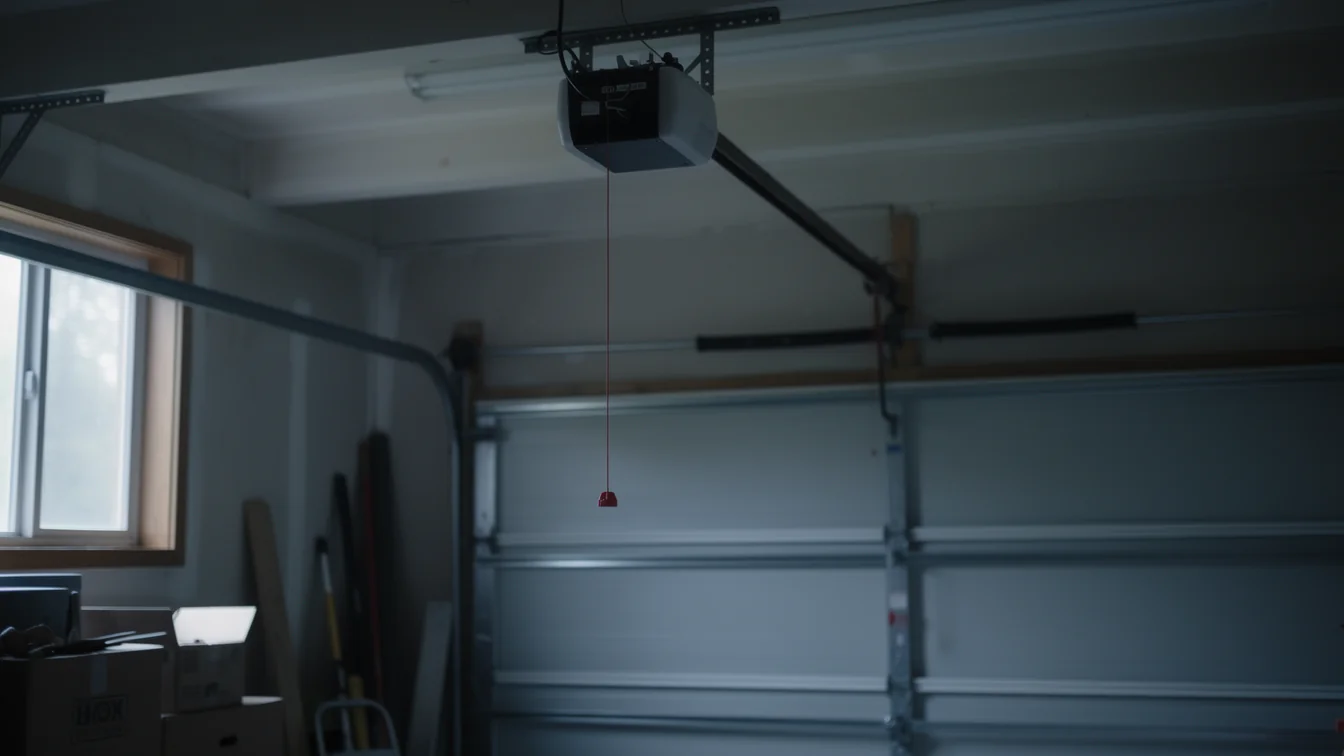 Openers and Power Cuts: What Sugar Land Houses Actually Have
Sugar Land homes built mostly 1976-2015 carry a mix of opener generations.
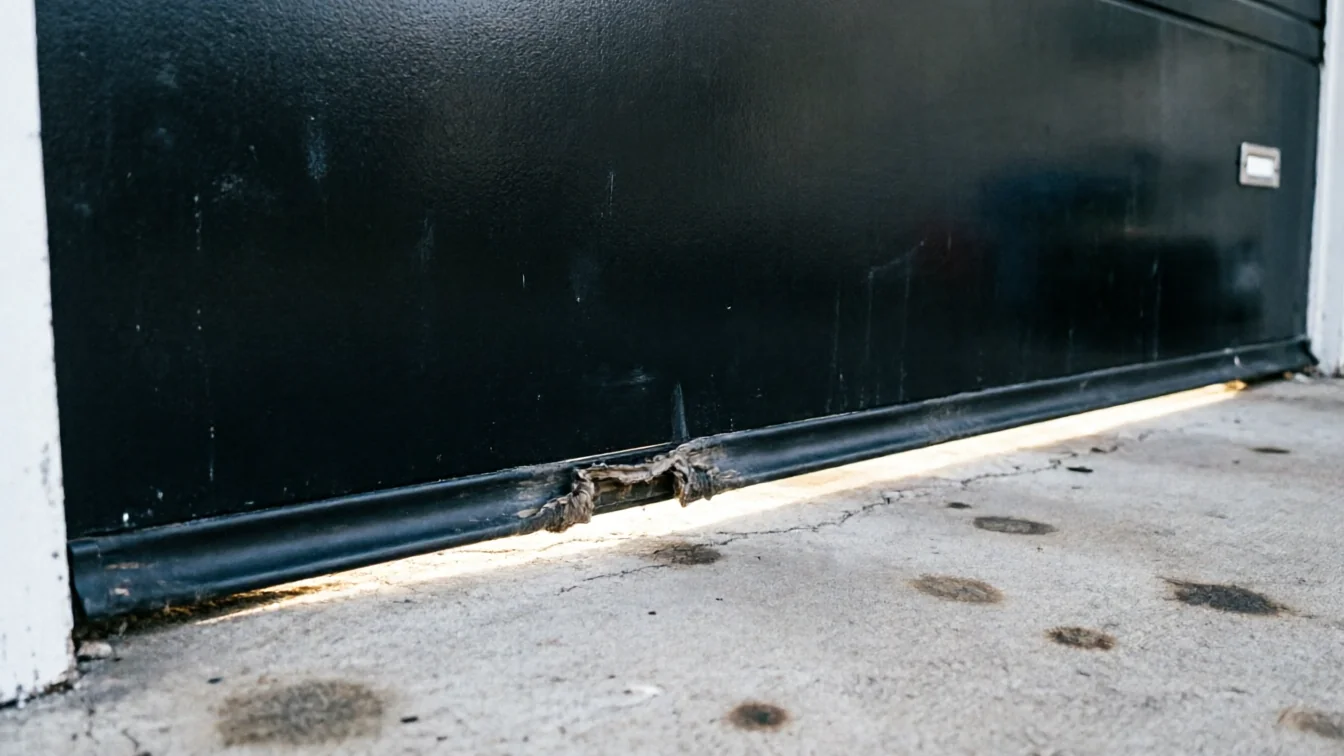 What Sugar Land Weather Does to Your Garage Door, Season by Season
How Sugar Land's moderate heat and 1976-2015 housing stock affect garage door seals, tracks, and openers, with what to check each season before a call.
Ready when you are
Need a garage door sorted in Sugar Land?
Sugar Land Garage Door Co repairs and installs garage doors, springs and openers in Sugar Land, TX and the surrounding area.