
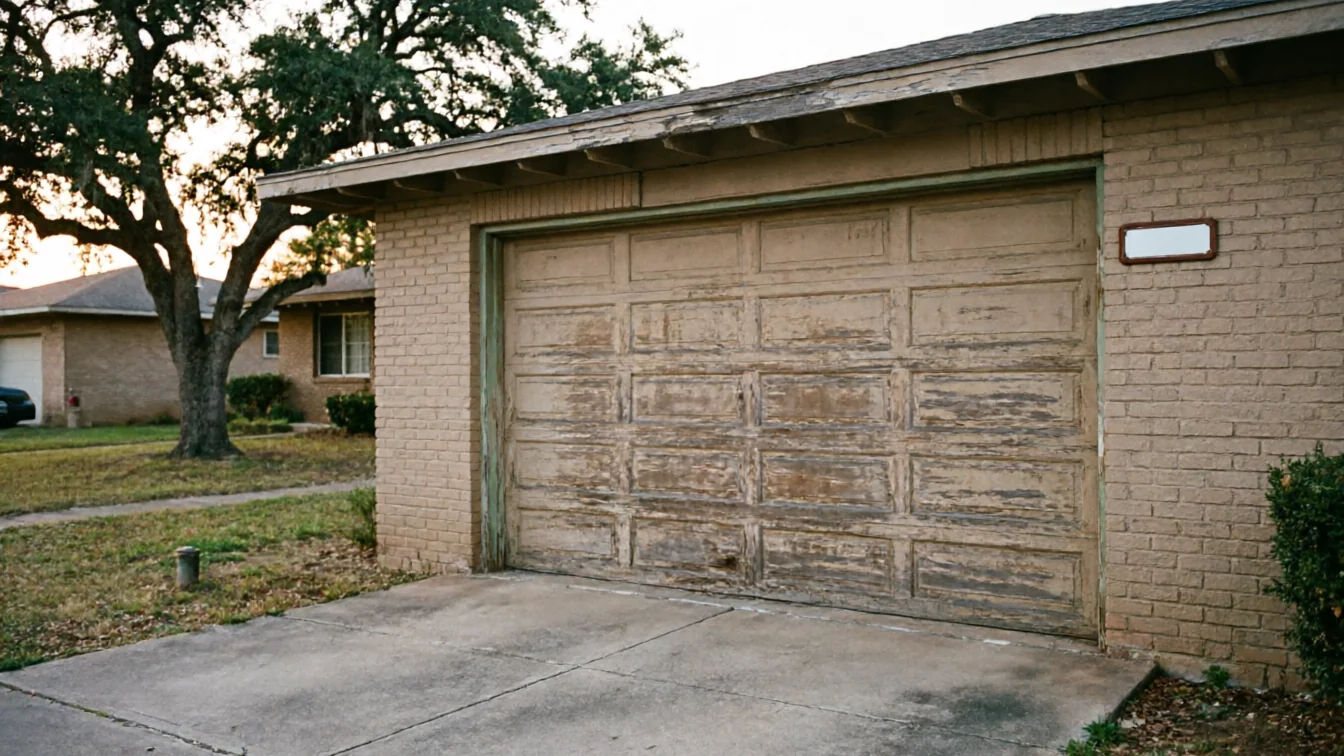
 Is Your Old Garage Door Worth Fixing, or Done
Most Sugar Land garage doors date from the 1980s-90s building boom.
Why Your Garage Door Jumps the Track in Sugar Land
Most Sugar Land garage doors date to the 1980s-90s building boom. Here's how that housing stock and our heat band push doors off their tracks.
Local detail
Season by Season
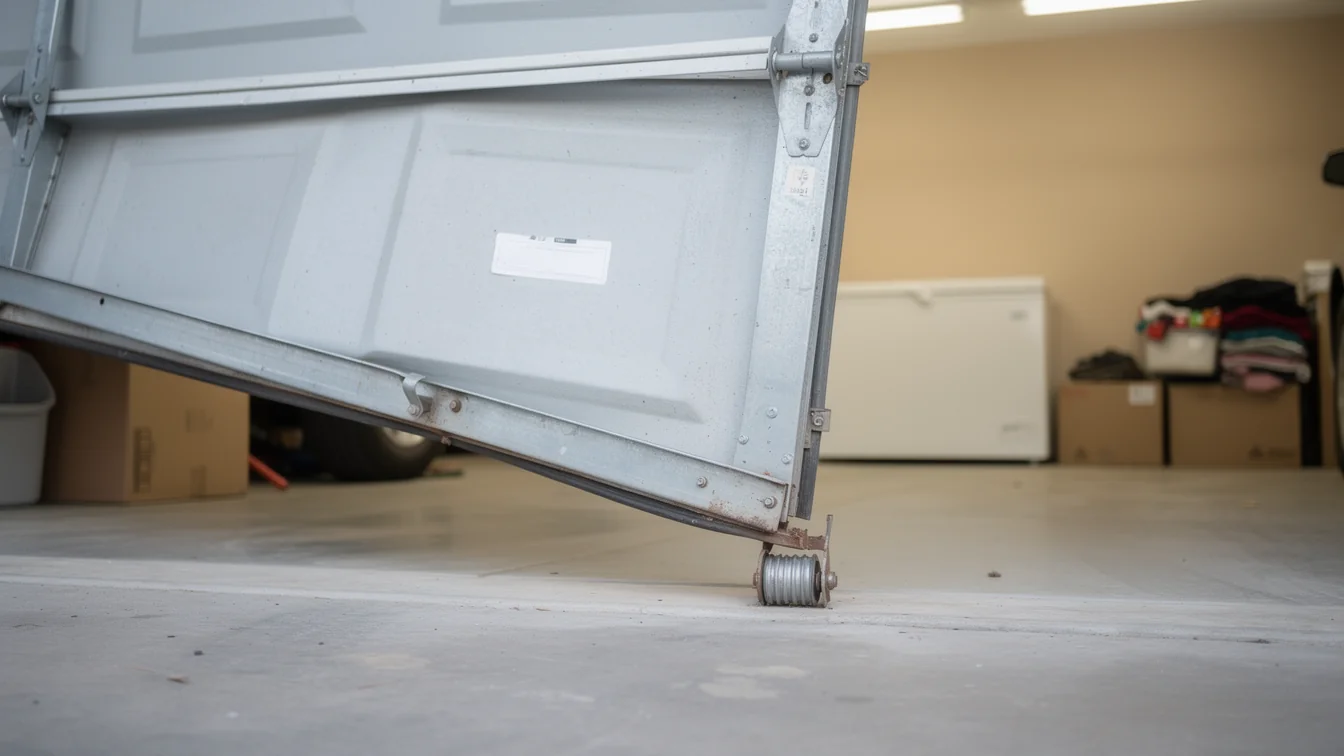
Sugar Land doesn't get the freeze-thaw cycle that racks tracks up north, and that's the thing homeowners here miss. Our climate band sits in moderate heat, not the deep cold that cracks concrete slabs and shifts foundations elsewhere. What we get instead is steady, grinding heat exposure month after month, year after year, on doors that in most of this area went up between 1976 and 2015, with the bulk of the stock dating to the 1980s and 90s. That's 30 to 45 years of track brackets working loose from thermal expansion and contraction in aluminum and steel framing, not from a single dramatic storm. A door that's gone off track in July usually didn't fail because of one hot day. It failed because the bracket lag screws have been working their way out of the same jamb stud for three decades.Spring and fall don't bring relief here the way they do in colder climates - there's no seasonal tune-up window forced on you by weather. That means track alignment problems get ignored longer, because nothing forces the issue.
The area
What the Weather Here Does to It
Heat is the operative word for this service area, and it works on a garage door track in a specific way: expansion and contraction of the vertical track sections, loosening of the fasteners that hold those tracks to the framing, and warping of track rails that sit against a hot-facing wall for years. In a house built in the 1995 median year for this area, the track hardware is original or close to it more often than not. Original brackets on 1980s-90s construction were not always rated for the cumulative flex that three decades of Gulf Coast heat puts on sheet-metal track. When a bracket backs out even an eighth of an inch, the track goes slightly out of plumb, and the door's rollers start riding the edge of the rail instead of the center. That's the slow version. The fast version is a roller that's already worn thin catching on a track gap at the seam, especially on the older stock found in the established pockets around Telfair and New Territory, where original hardware is still common.
What we find
The Situation
Across the 23-odd named areas that make up this part of the Sugar Land market, the housing stock runs younger near the newer-build corridors and older near the established 1980s-90s core. A door going off track almost always traces back to one of three things in houses from this era: a bent track rail from someone backing a vehicle into it, a bracket that's loosened from the stud over the years, or rollers that have worn down enough that they no longer sit square in the rail. We don't see much call for structural settling causing this - the median household in the area (around $126,167 income) tends to own the house, and well-built 1990s-era framing in this region doesn't shift the way older or cheaper stock elsewhere does. What we do see is neglect: a door that's been dragging on one side for months before anyone calls, because a door that still opens doesn't feel broken until it jumps the rail entirely.
How we work
What to Look At First
Stand at the side of the door with it halfway open and sight down the track. If the gap between roller and rail looks uneven top to bottom, that's a bracket problem, not a roller problem, and it's usually fixable without replacing the whole track. If the track itself has a visible kink or flat spot, that section needs to come out - we don't recommend trying to hammer a bent rail back straight, it never holds true and you'll be back here in a month. Check the lag screws where the track meets the wall studs; if you can wiggle the bracket by hand, that's your answer. One honest limitation: if the door's gone off track and a cable has also jumped its drum, that's not a track-only fix, and we won't quote it as one - that's a full inspection before we touch anything, because a loaded torsion spring on a door with multiple failures is not safe to crank down for a quick straighten.
Questions
Common questions
Why did my garage door suddenly come off the track after years of working fine?
It's rarely sudden. In houses from the 1980s-90s stock common in this area, bracket fasteners loosen gradually from years of heat-driven expansion and contraction. The door finally jumps the rail when a roller that's been riding the edge finally catches a seam. The failure is sudden; the cause built up over years.
Does Sugar Land's climate actually affect garage door tracks?
Yes, through sustained heat rather than freeze-thaw. Our climate band is moderate heat, which works on aluminum and steel track hardware differently than cold climates do - it's steady thermal cycling on fasteners and rail material over many years, not one dramatic weather event.
Can I just push the door back onto the track myself?
You can sometimes re-seat rollers if the track isn't bent and no cable has slipped, but if the door has a loaded torsion spring, we don't recommend doing this yourself. If there's any bend in the rail or a cable off the drum, it needs a full look before anyone touches the spring tension.
How do I know if it's the bracket or the track itself?
Sight down the track with the door half open. An uneven gap between roller and rail points to a loose bracket, often fixable in place. A visible kink or flat section in the rail means that section of track needs replacing - bent rail doesn't straighten reliably.
Recommendation
You Might Also Like
More garage door guides for Sugar Land homeowners.
Is Your Old Garage Door Worth Fixing, or Done
Most Sugar Land garage doors date from the 1980s-90s building boom.
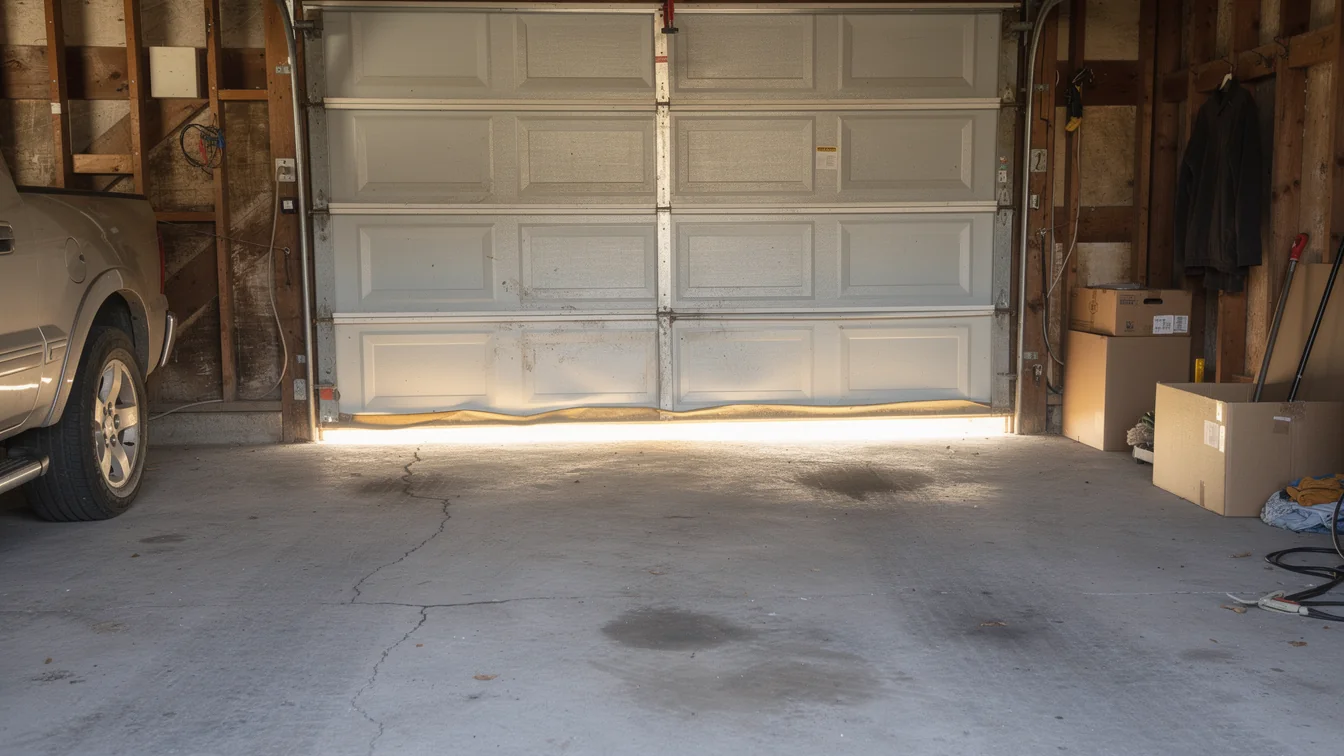 What Sugar Land Weather Actually Does to Your Garage Door
How Sugar Land's 1976-2015 housing stock and moderate heat band wear on garage doors, and what to check first on homes near Telfair, New Territory, and Aliana.
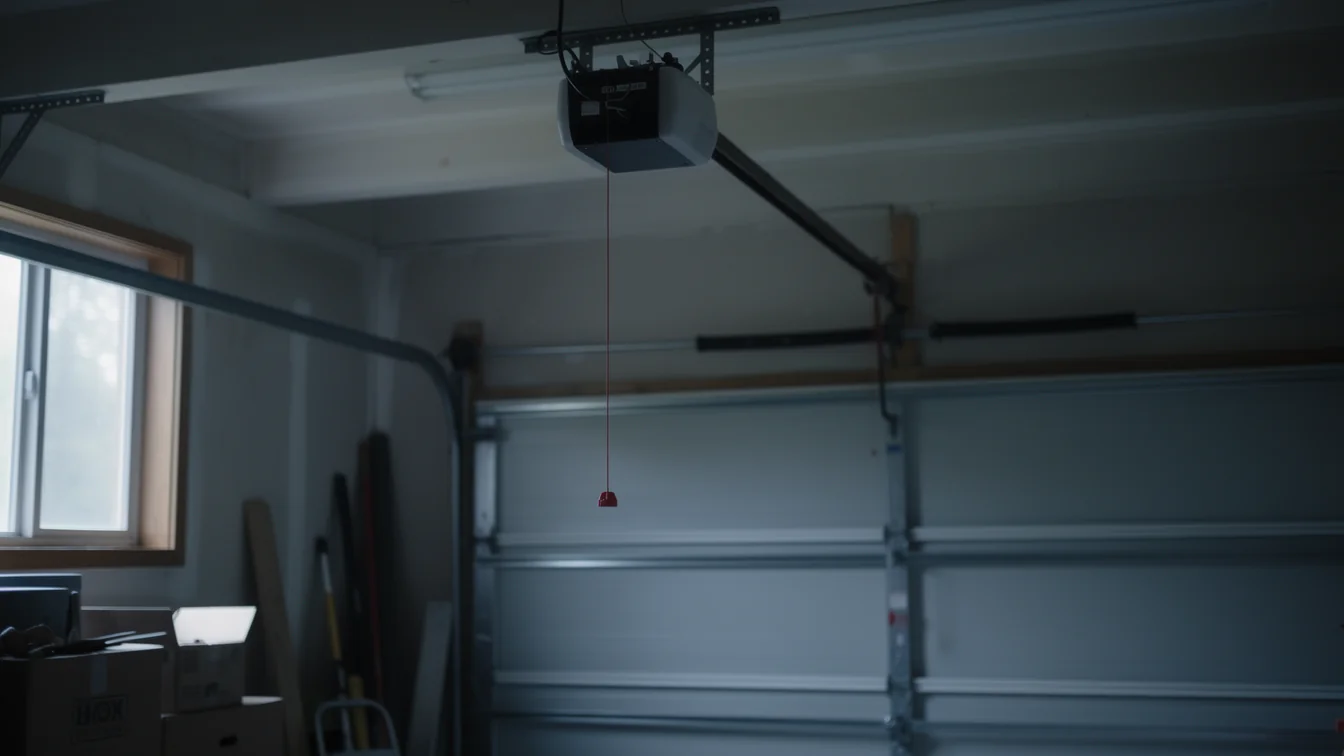 Openers and Power Cuts: What Sugar Land Houses Actually Have
Sugar Land homes built mostly 1976-2015 carry a mix of opener generations.
Ready when you are
Need a garage door sorted in Sugar Land?
Sugar Land Garage Door Co repairs and installs garage doors, springs and openers in Sugar Land, TX and the surrounding area.