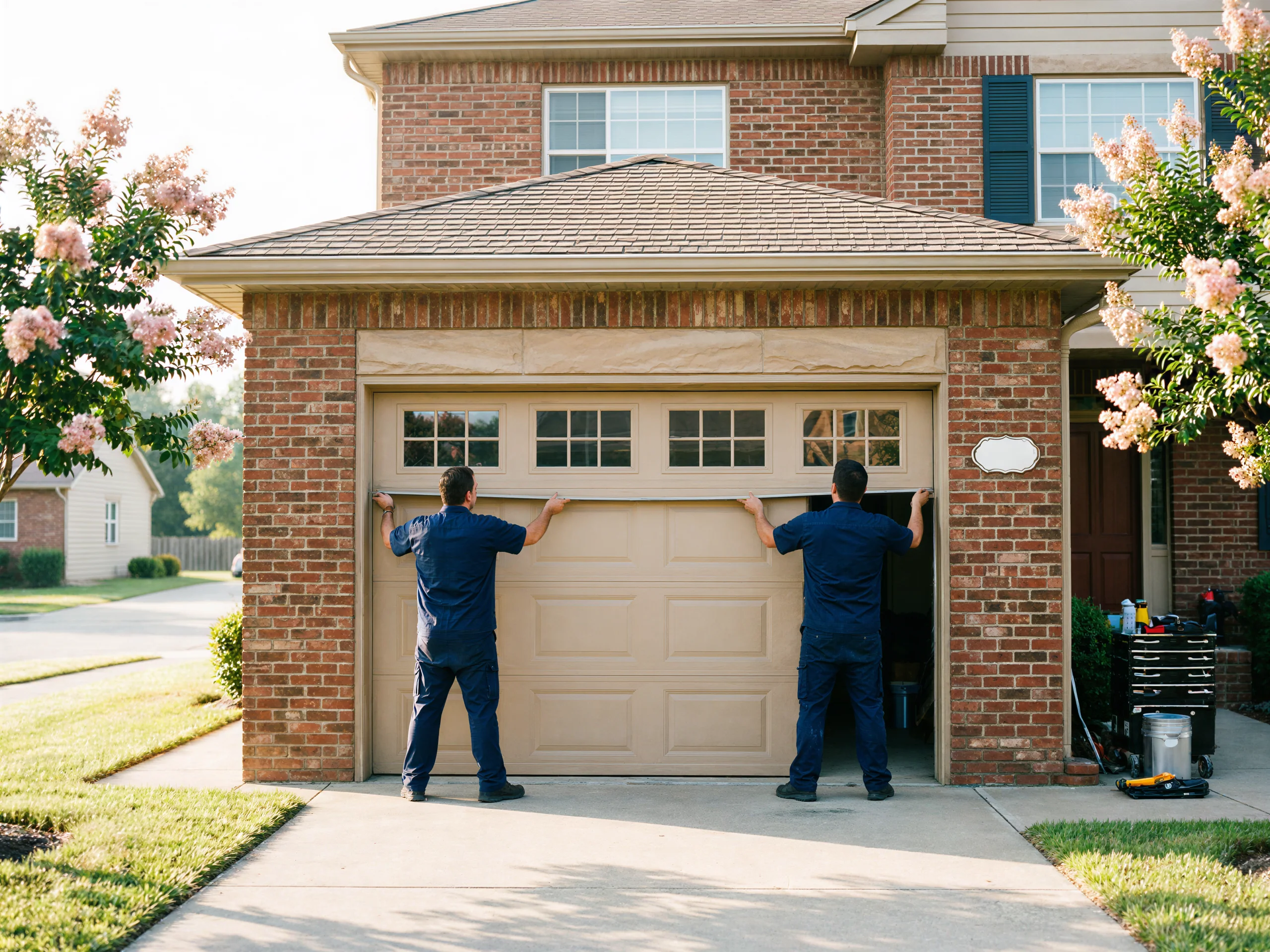
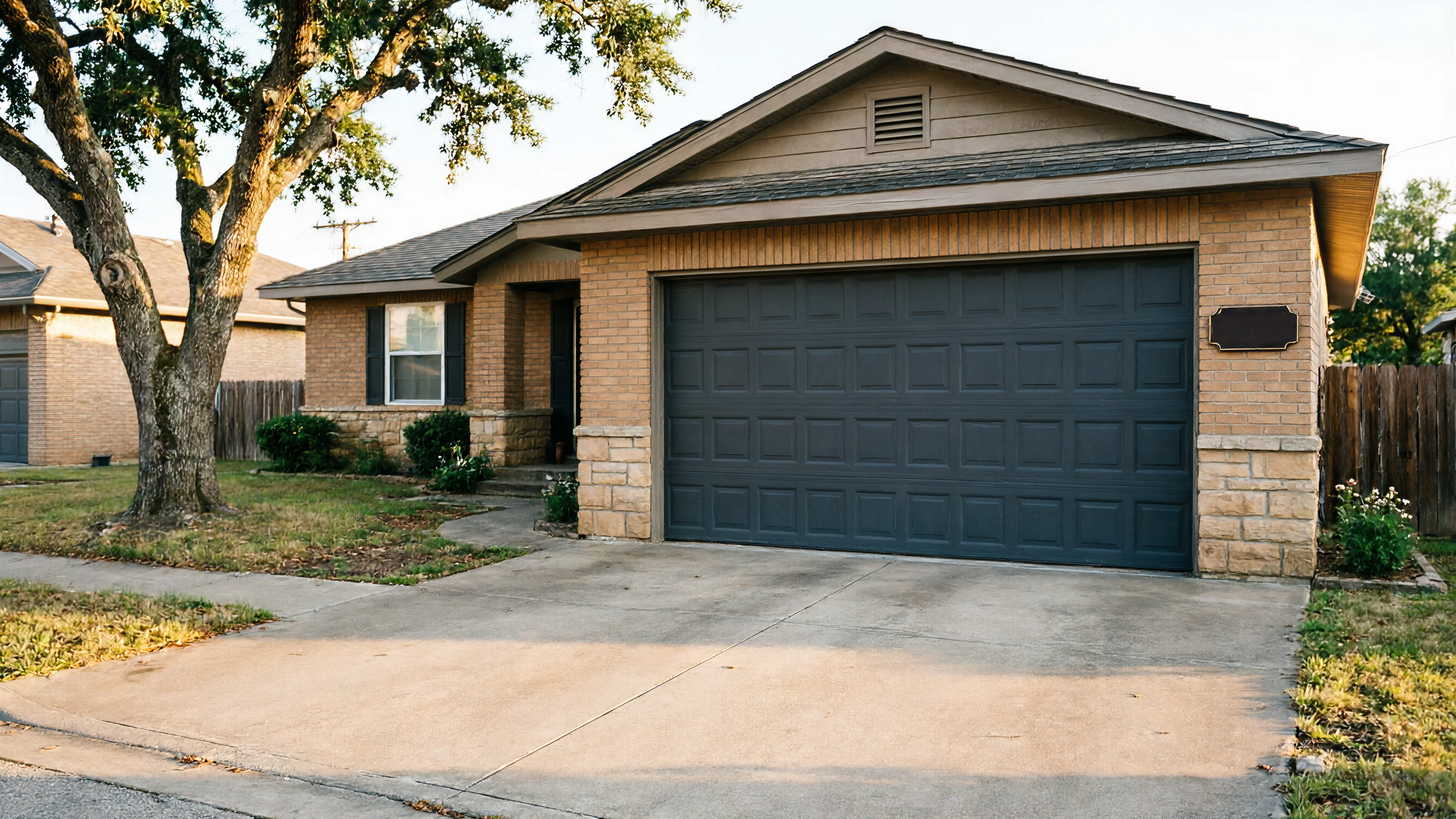
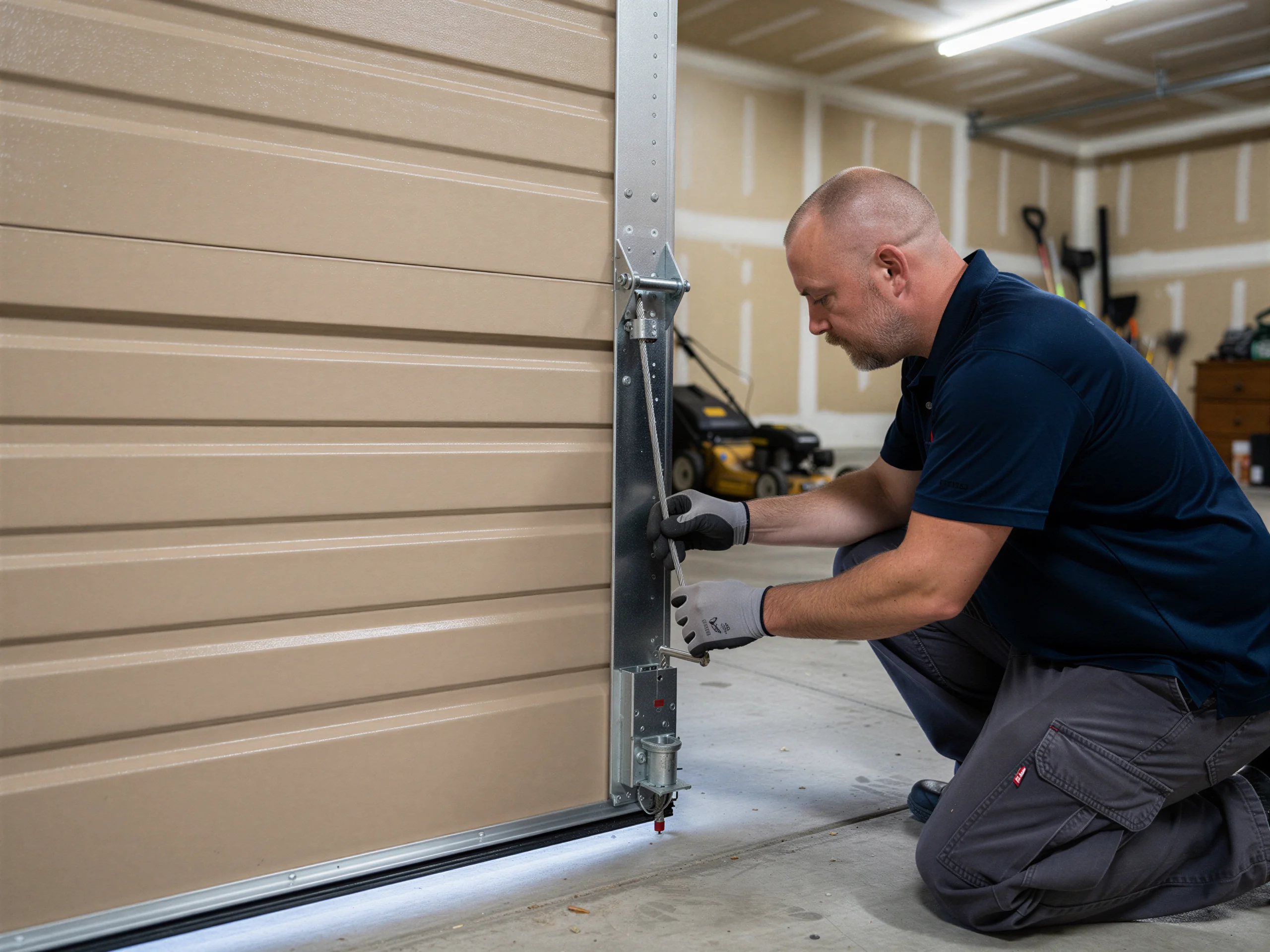
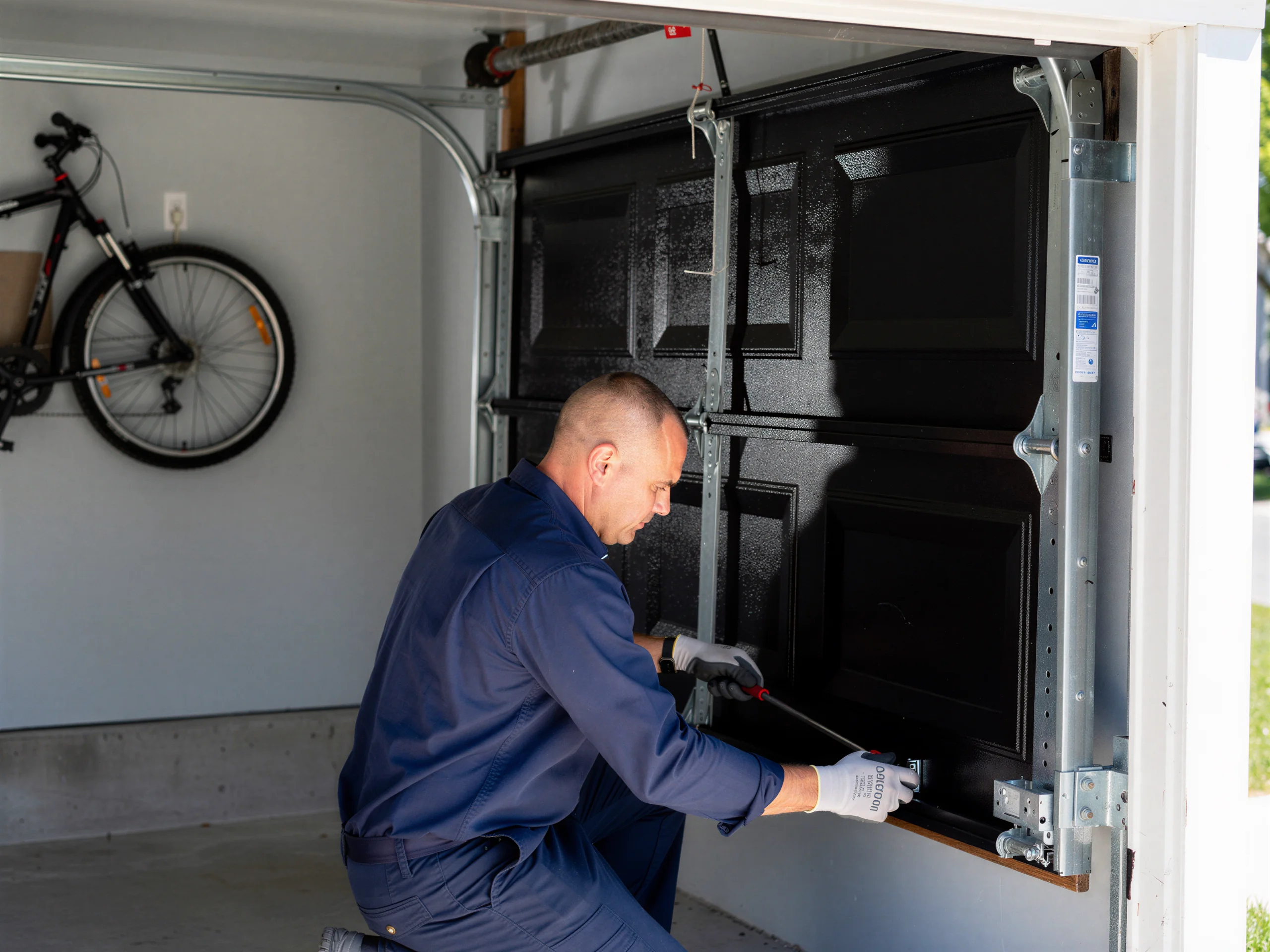
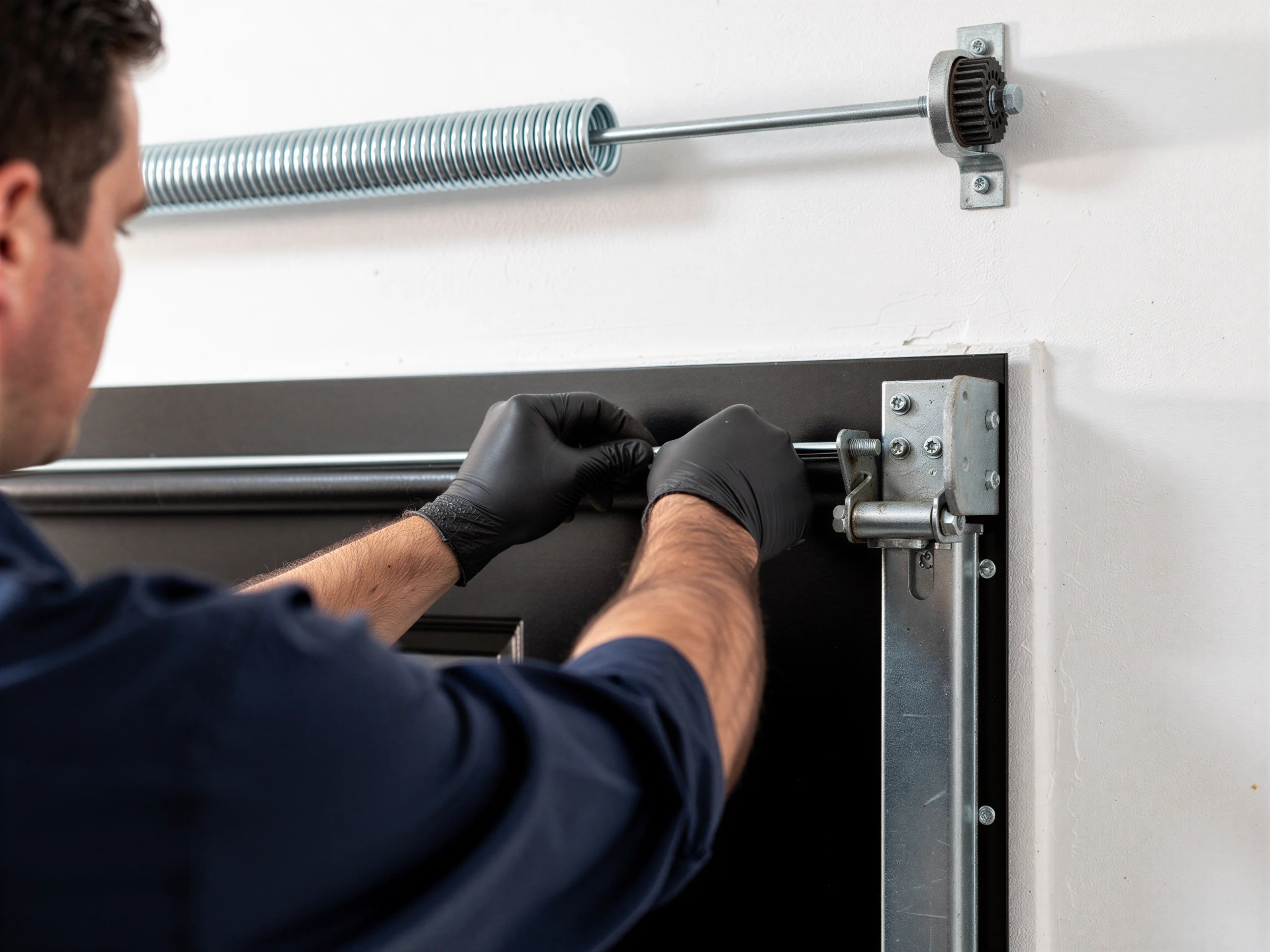
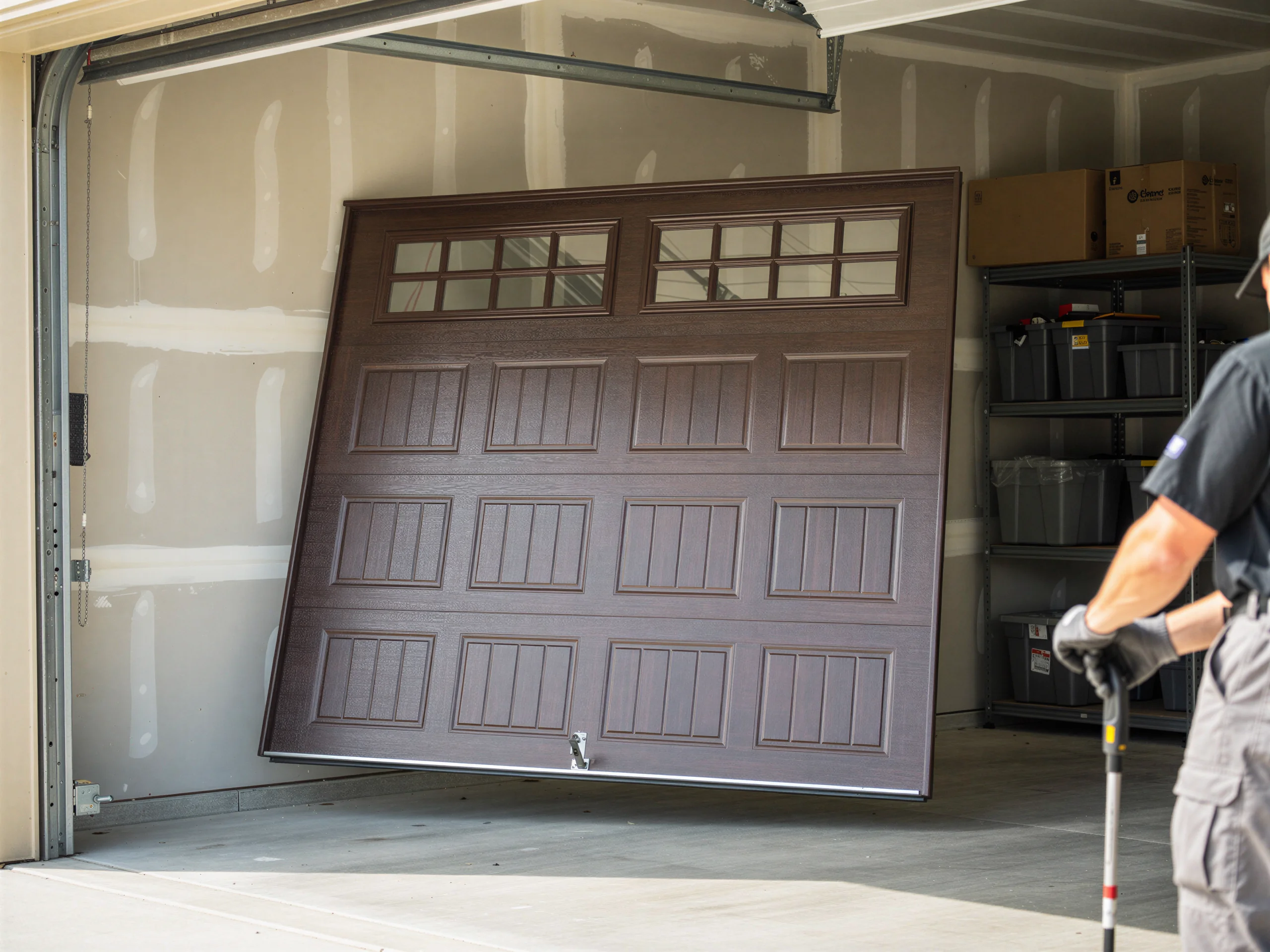
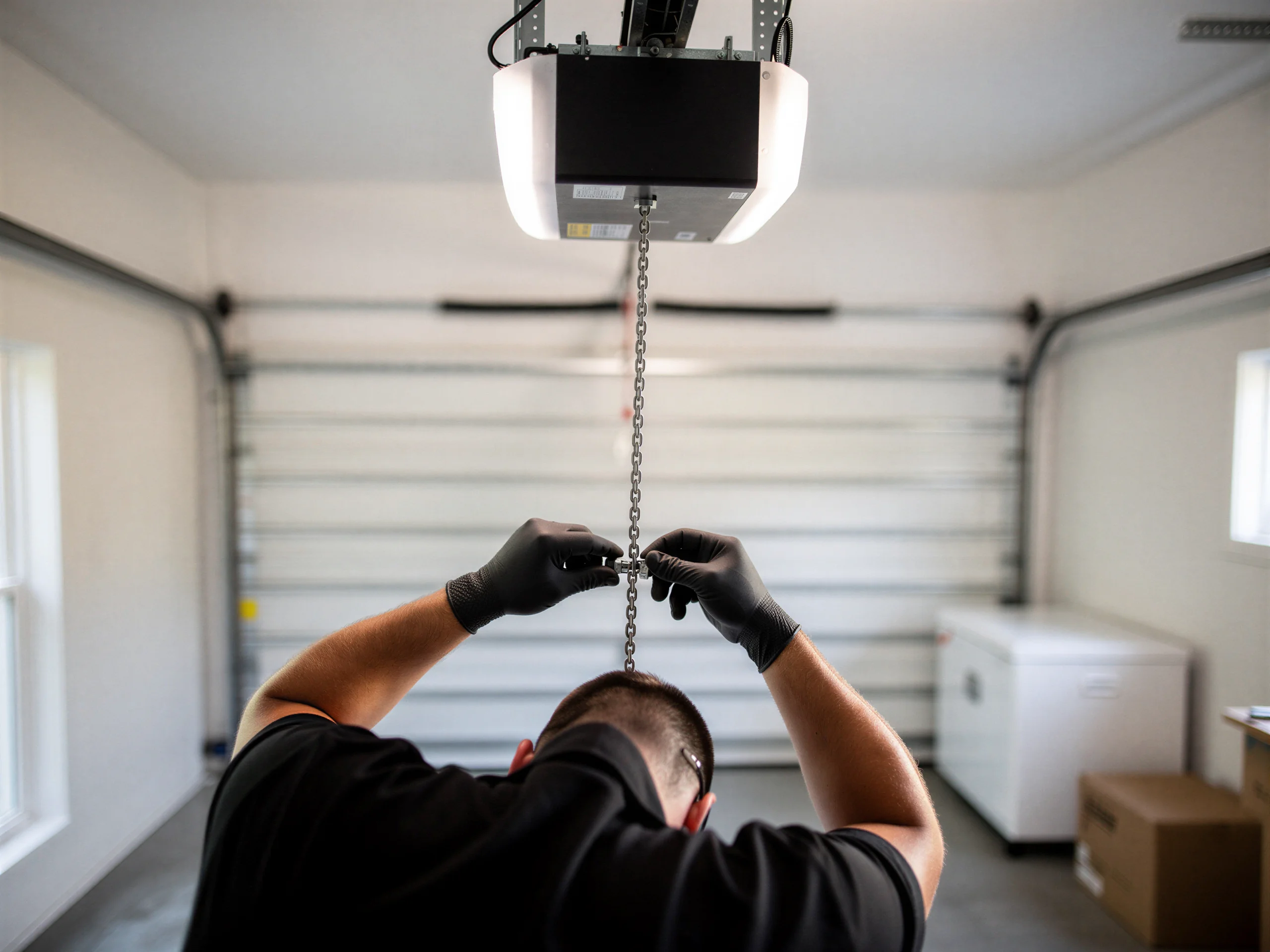
If your house in West University Place went up around 1991, like most on this side of town, your original garage door is now over 30 years old if it's never been replaced. That's past the service life of most springs, rollers, and the first-generation openers that shipped with it. Common signs: the door sags visibly at the bottom corners, the opener strains or reverses partway through closing, panels show dents or rust at the seams, and the whole door feels heavier to lift by hand than it used to.
Some owners are replacing a door that still technically works but doesn't fit the house anymore - a plain steel door on a home that's had everything else updated. Others are dealing with a door that's actively failing: a cracked panel, a track pulling away from the jamb, an opener that no longer holds the door at the top.
Either way, a door from the early '90s was built to the standards and R-values of that decade. A new install isn't just a fresh face on the same opening - it's a chance to put in better insulation and a quieter drive without changing anything about how the garage looks from the street.