
DIY sensor and balance checks
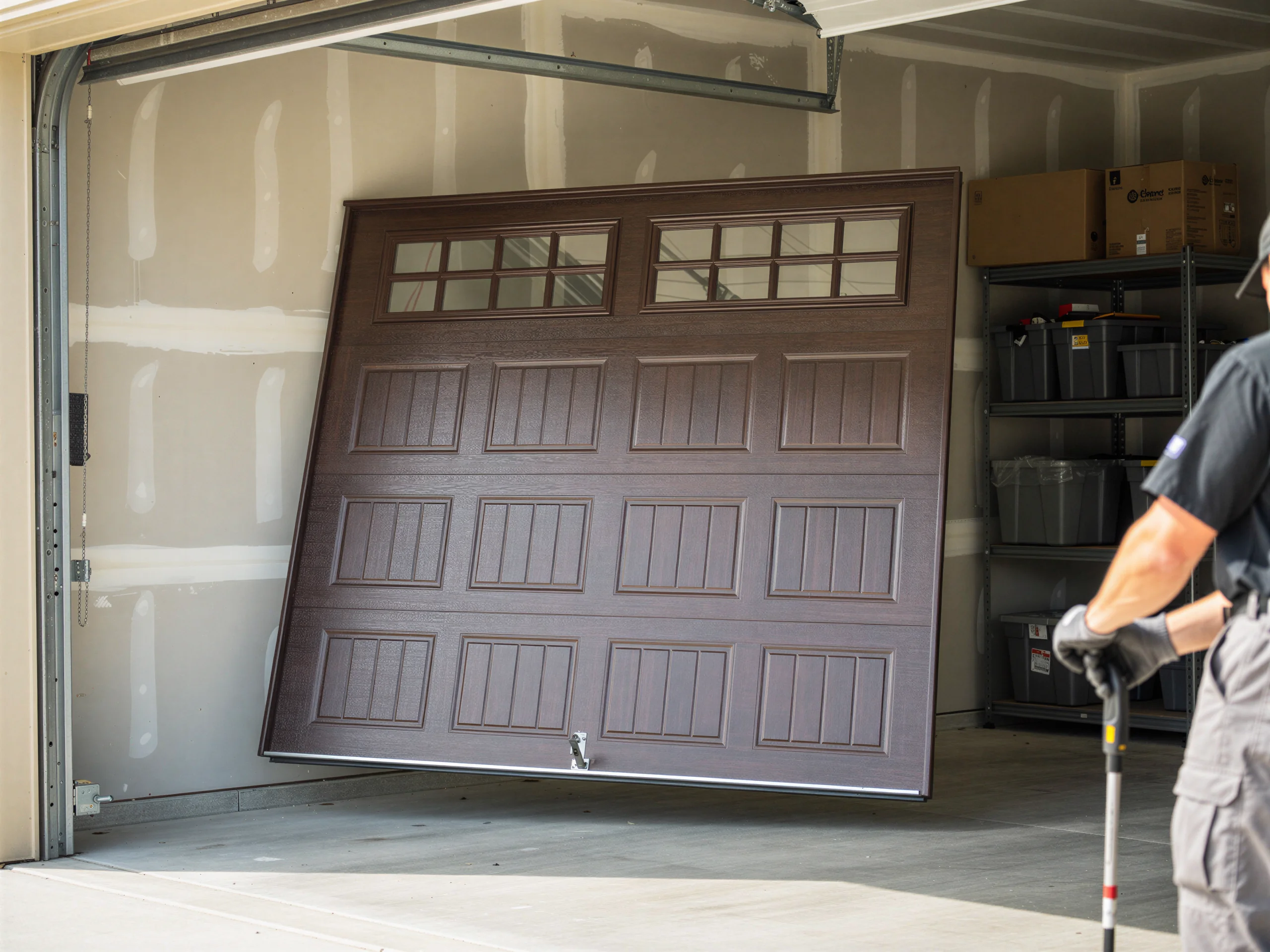
Check that the photo-eye sensors near the bottom of the track are clean and aimed at each other. Pull the release cord and test that the door is balanced - it should hold roughly halfway open on its own.
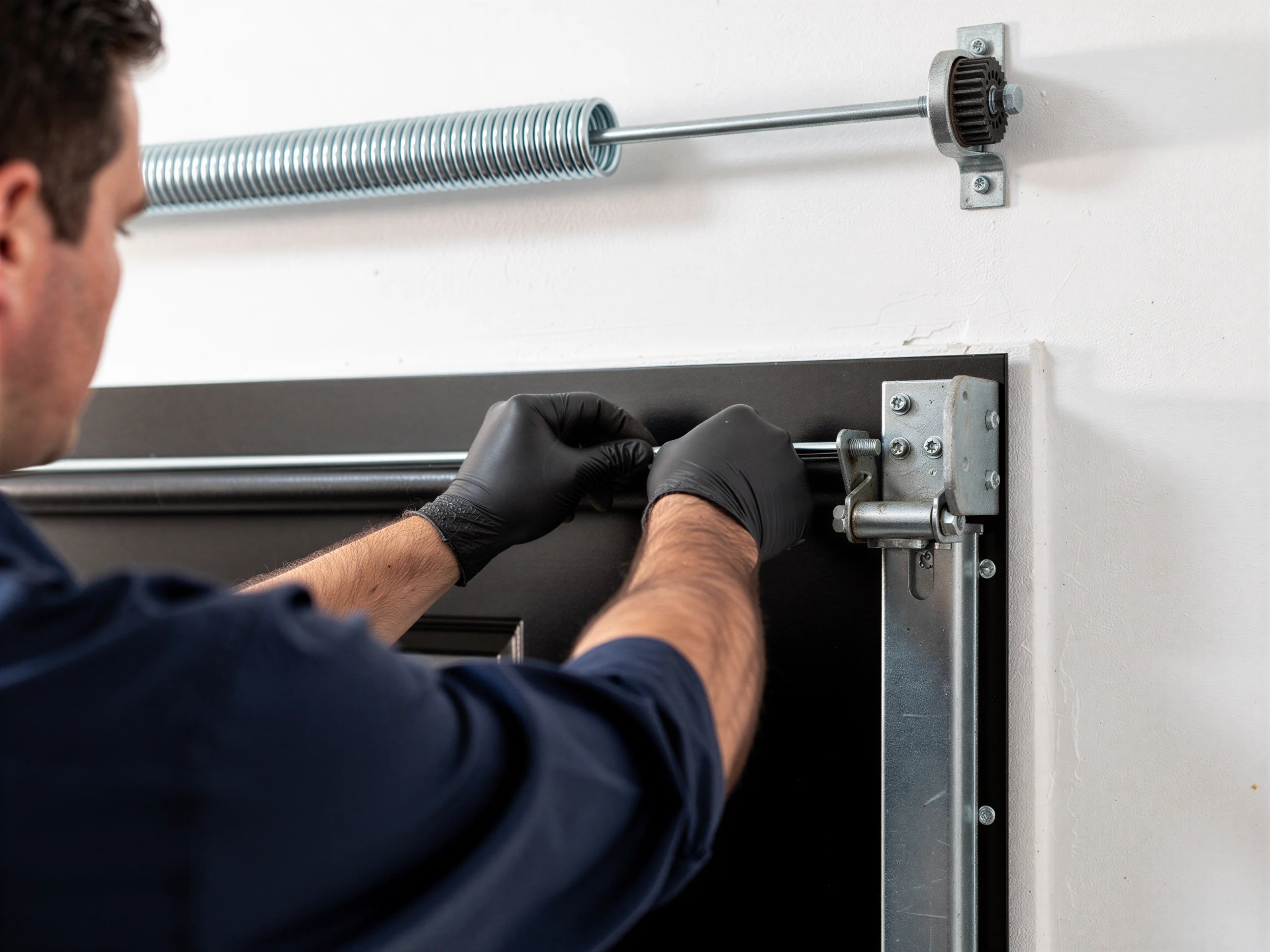
Fulshear, Sugar Land
Fulshear homes mostly date after 2015, newer than the area's 1995 median. That changes what maintenance a door needs here. We cover it from Sugar Land, 17 miles out.
Booking
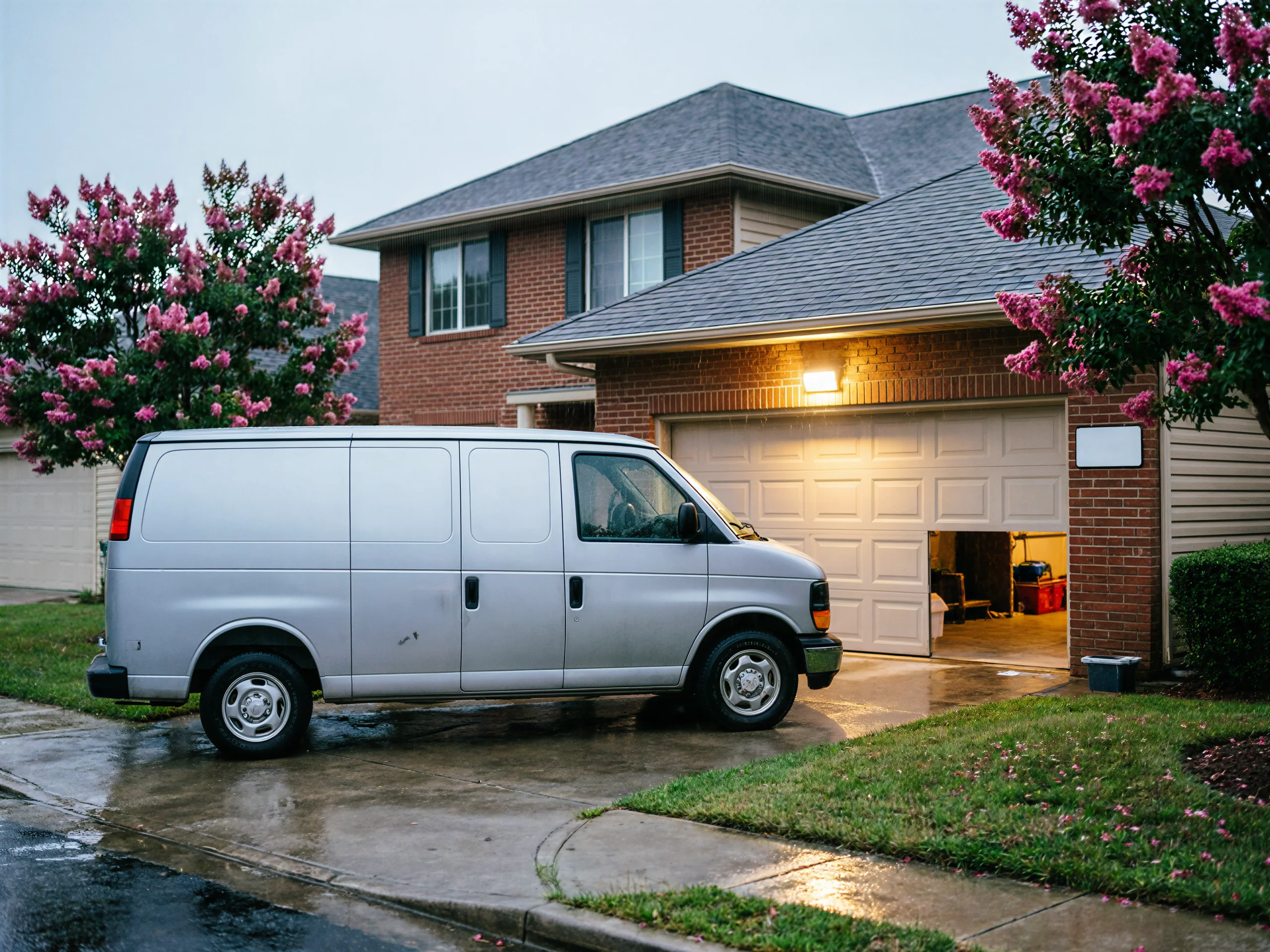
We run maintenance visits out to Fulshear from our base in Sugar Land, about 17 miles away. There's no branch or truck staged in Fulshear itself, so a visit here gets built into the day's route rather than slotted in as a quick stop between closer jobs.
If you're on a street built out in the last ten to fifteen years, tell us that when you call - it changes what we bring. Booking works the same as anywhere else in our service area: you call, we ask a few questions about the door's age and symptoms, and we schedule a time that fits the drive.
Because Fulshear sits toward the far edge of where we travel, we're straightforward about it taking a bit more lead time to land an appointment than a job five minutes from the shop.
For more on what we cover out here, see our Fulshear service page. For the maintenance program itself, including what's included on a standard visit, the Sugar Land maintenance page has the full rundown.
Job timing
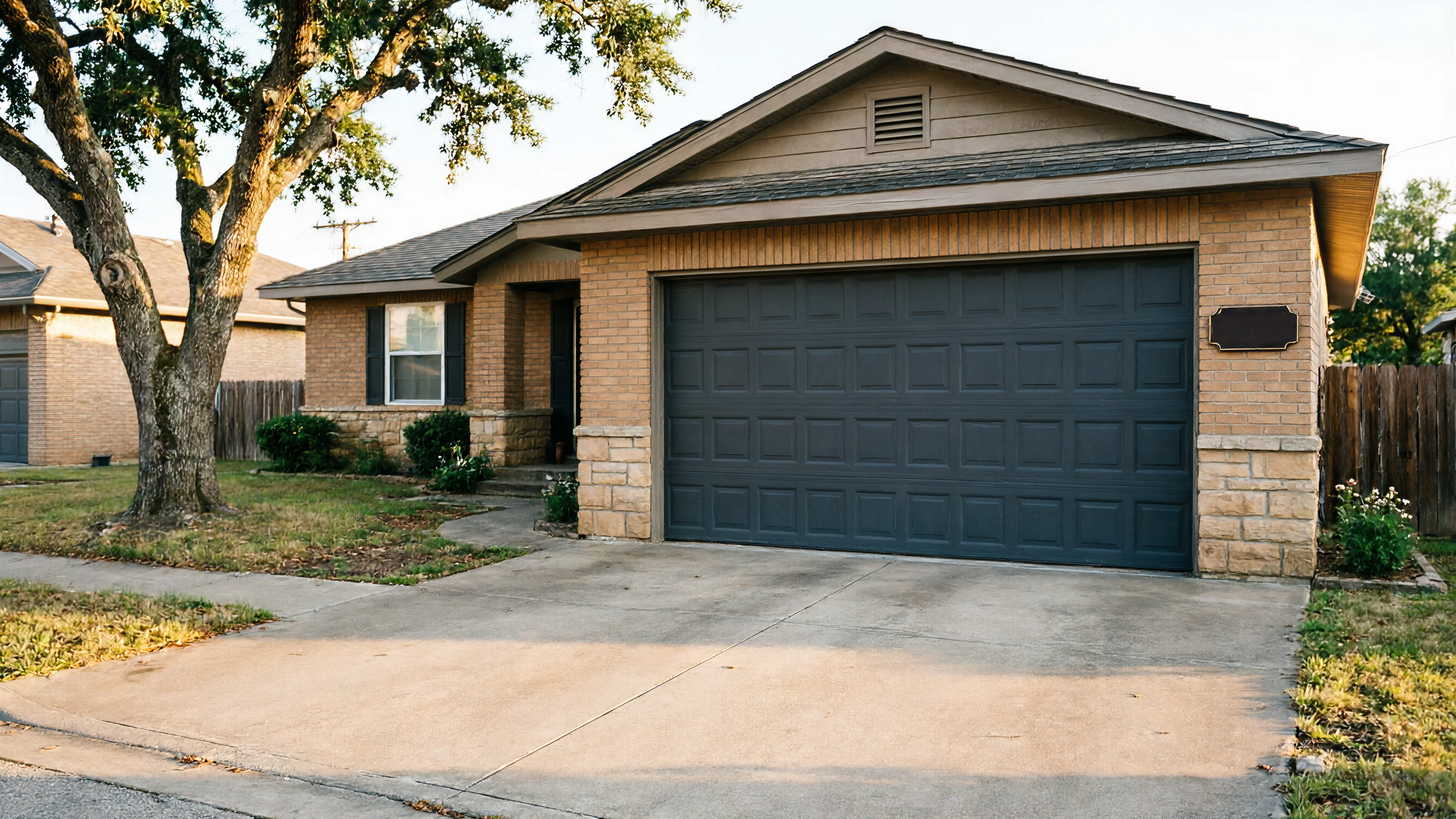
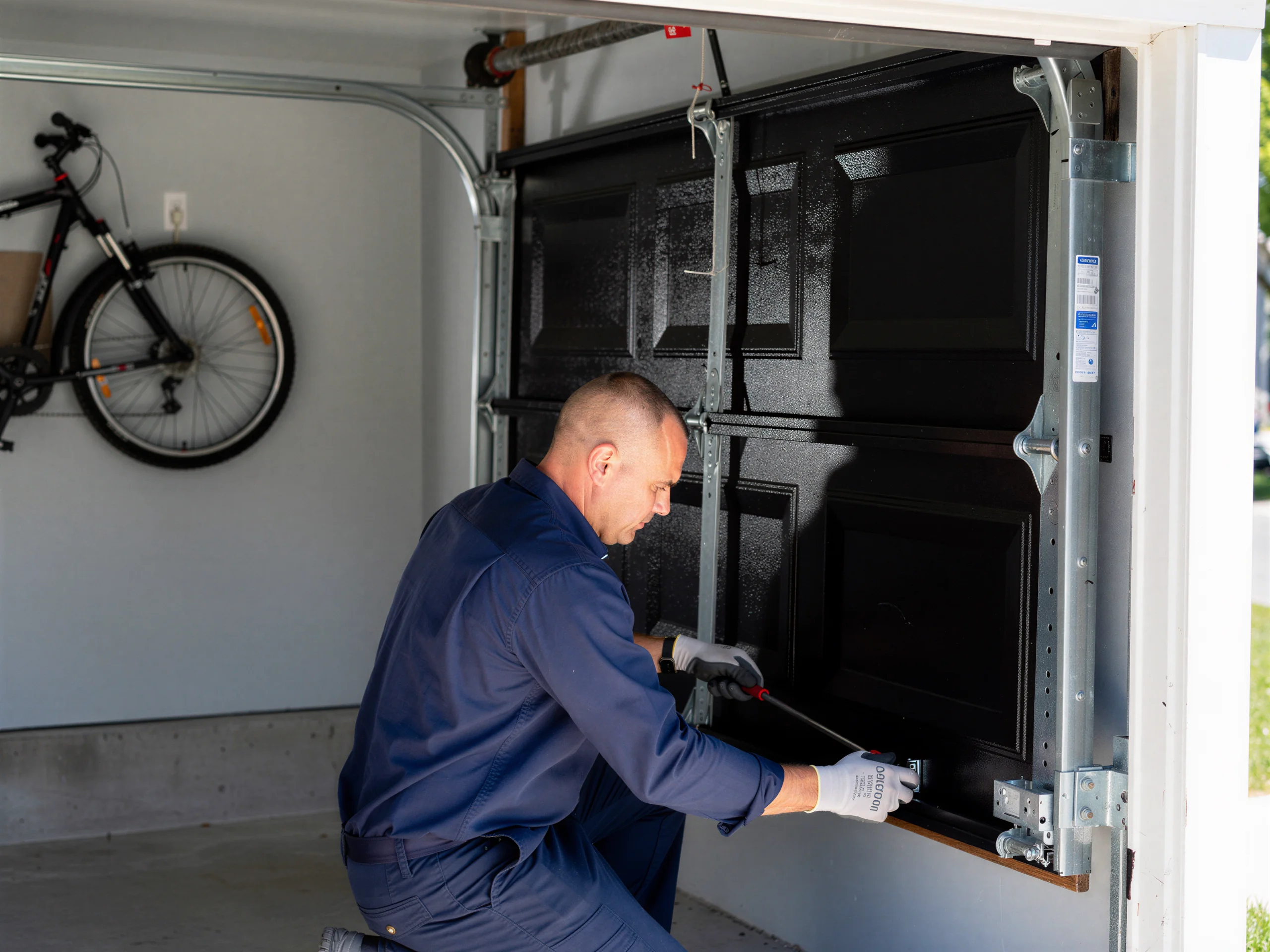
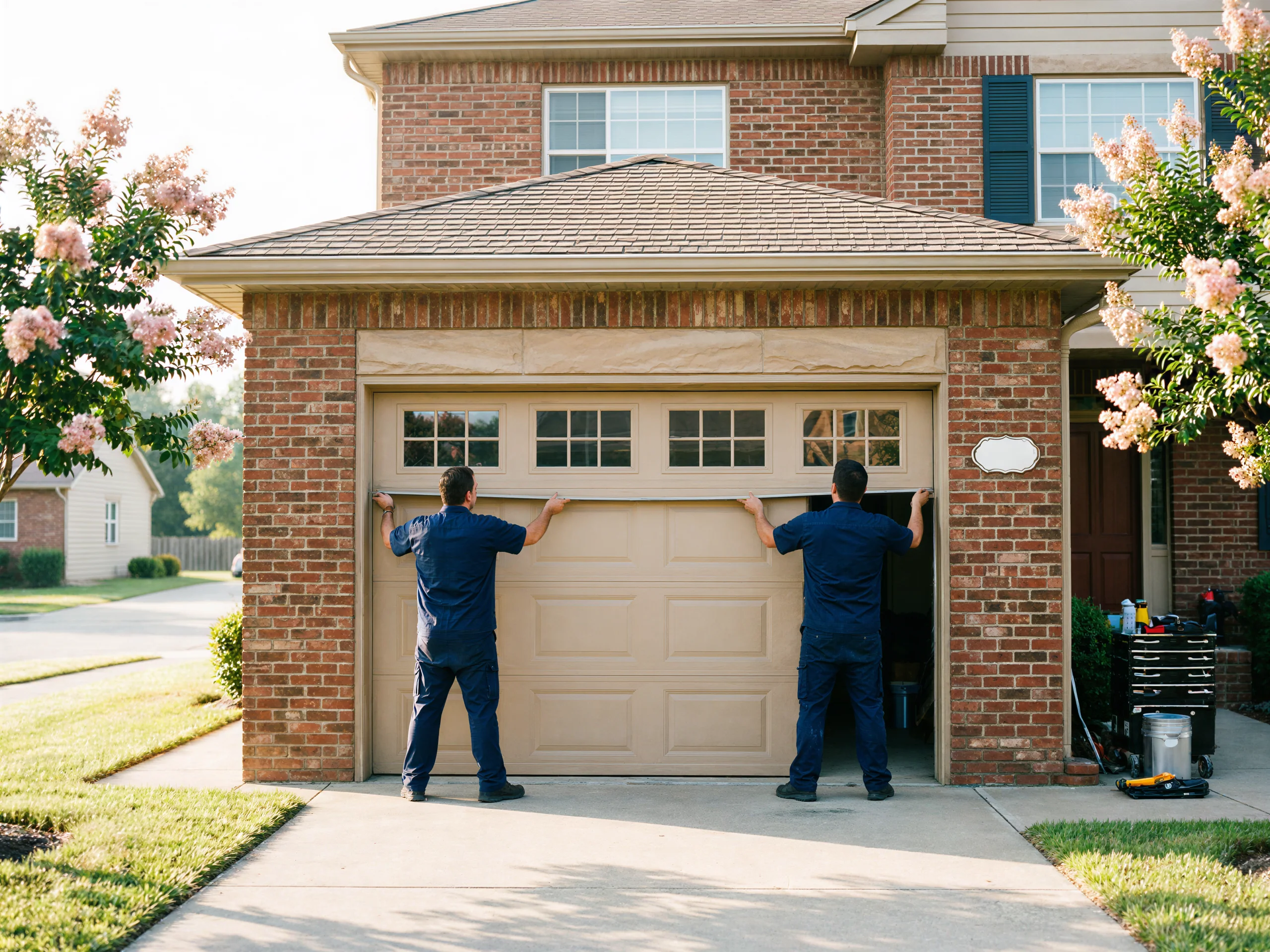
Most of Fulshear's housing dates from after 2015, well newer than the roughly 1995 median across our wider service area. A door that age hasn't had twenty-plus years of track misalignment or rusted hinges to work through, so a maintenance visit on one of these doors tends to be a faster job than on an older door that's been limping along without any attention. We're checking balance, inspecting cable fray, testing the auto-reverse safety sensors, and lubricating rollers and hinges rather than untangling years of neglect.
That said, newer doesn't mean nothing to do. Builder-grade openers and hardware get installed to a price point, and the first signs of wear - a noisy roller, a sensor that's slightly out of alignment - show up early on tract-built doors even when the door itself is young. We'd rather catch that on a maintenance call than get the panic call six months later when the opener won't close.
DIY or pro
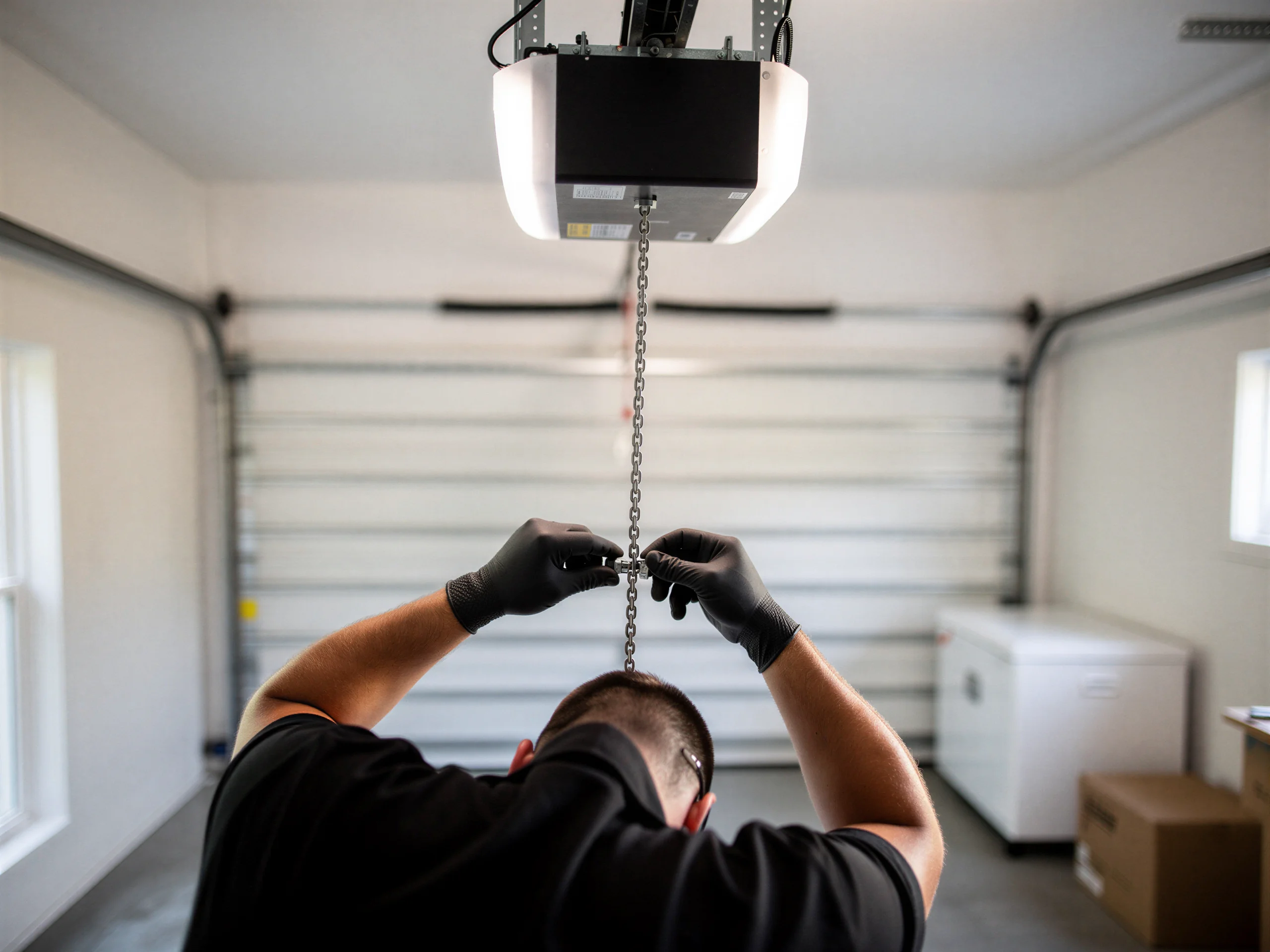
Some of this you can do on your own, newer door or not. Wipe down and lubricate the rollers and hinges with a garage-door-specific lubricant, not WD-40, a couple times a year.
Check that the photo-eye sensors near the bottom of the track are clean and aimed at each other. Pull the release cord and test that the door is balanced - it should hold roughly halfway open on its own.
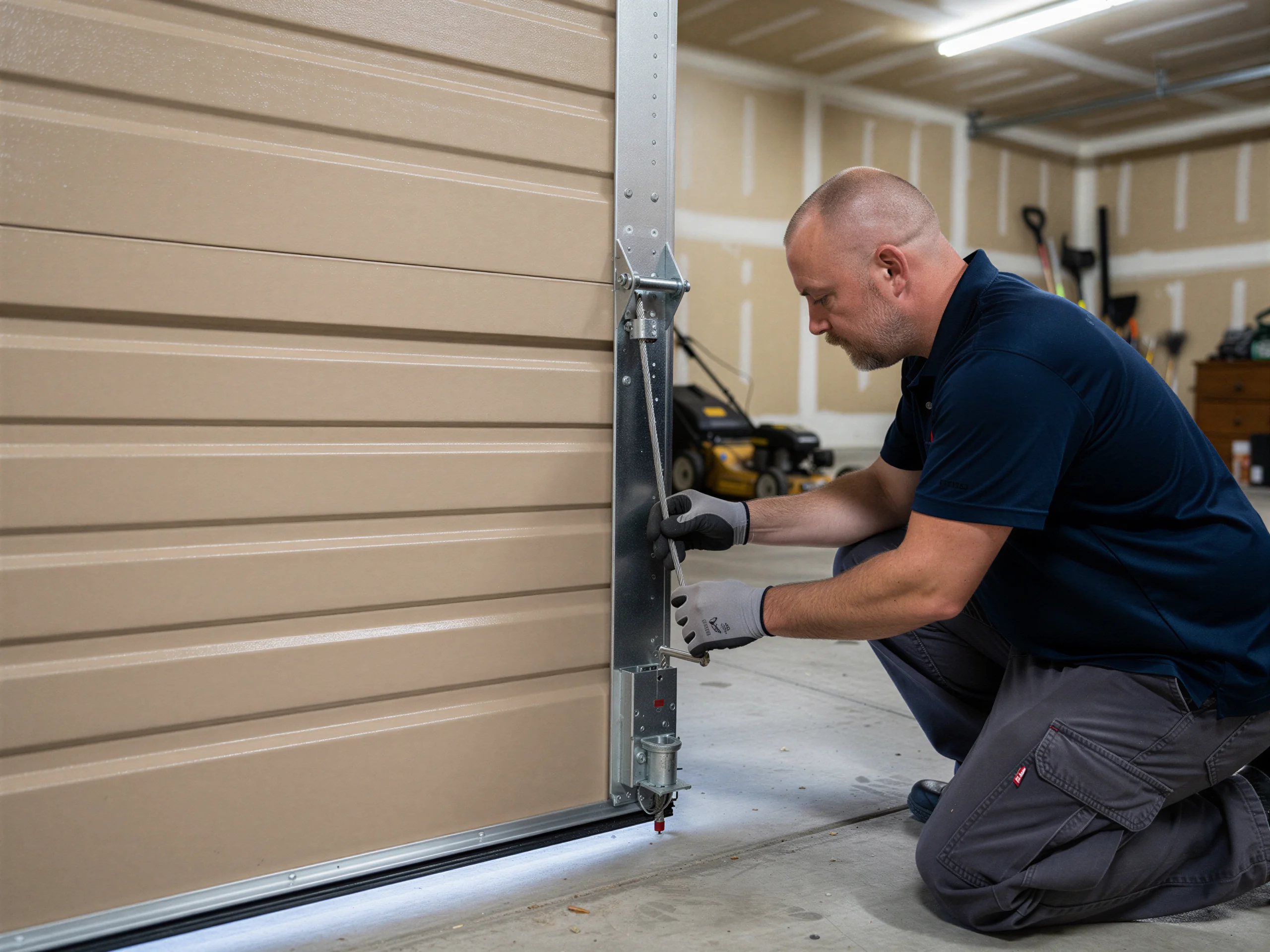
If it drifts up or crashes down, the spring tension is off, and that's not a DIY fix. What you shouldn't touch yourself: torsion spring adjustment, cable replacement, or anything that involves the drum or the wound spring itself.
That hardware is under enough tension to cause real injury, and on a newer door the spring is likely still factory-correct, so the risk of making things worse outweighs any time saved. If the door's making noise you can't explain with a quick look, that's the point to call rather than keep adjusting.
On the truck
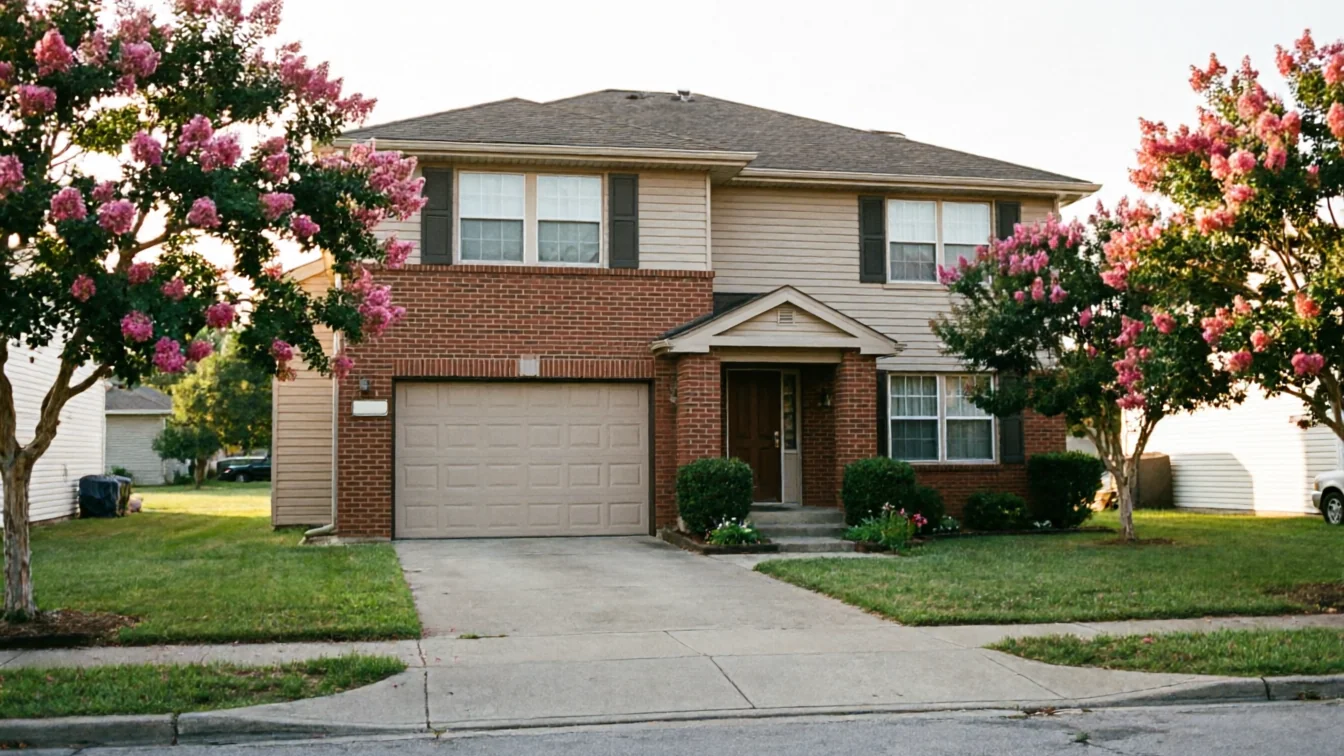
Because a lot of Fulshear's doors are recent builder installs, the truck usually carries the standard rollers, hinges, cables, and sensor brackets that fit this generation of hardware without any special order. Nylon rollers, standard-gauge springs for typical residential door weights, and opener safety sensors are the parts we go through most on maintenance visits out this way.
The honest limitation: if a door was upgraded with a custom panel style or a heavier insulated door than what came standard on the build, the exact spring or track part may not be something we carry on the truck that day. In that case we take measurements, order the specific part, and schedule the install once it's in - we won't force a close-enough substitute onto a door that was speced custom in the first place.
Questions
Most Fulshear homes went up after 2015, well newer than the roughly 1995 median across the wider area we cover. Newer doors haven't accumulated the years of wear that older torsion hardware has, so the visit focuses more on catching early wear than undoing years of neglect.
No. We work out of Sugar Land and travel to Fulshear, about 17 miles out, for maintenance and repair calls. There's no local branch here, so we build the drive into scheduling rather than promising a quick same-day turnaround.
We don't have a fixed interval specific to this area to quote you, but a yearly check of balance, sensors, and lubrication catches most early problems on recently built doors before they turn into a stuck or noisy door.
Rollers are one of the easier parts to swap yourself if the door is otherwise balanced and the springs aren't the problem. If you're unsure whether the noise is rollers or something spring-related, it's worth a call before you start pulling hardware off the track.
Explore more
Ready when you are
Sugar Land Garage Door Co repairs and installs garage doors, springs and openers in Sugar Land, TX and the surrounding area.