
Springs, cable, photo-eye kits
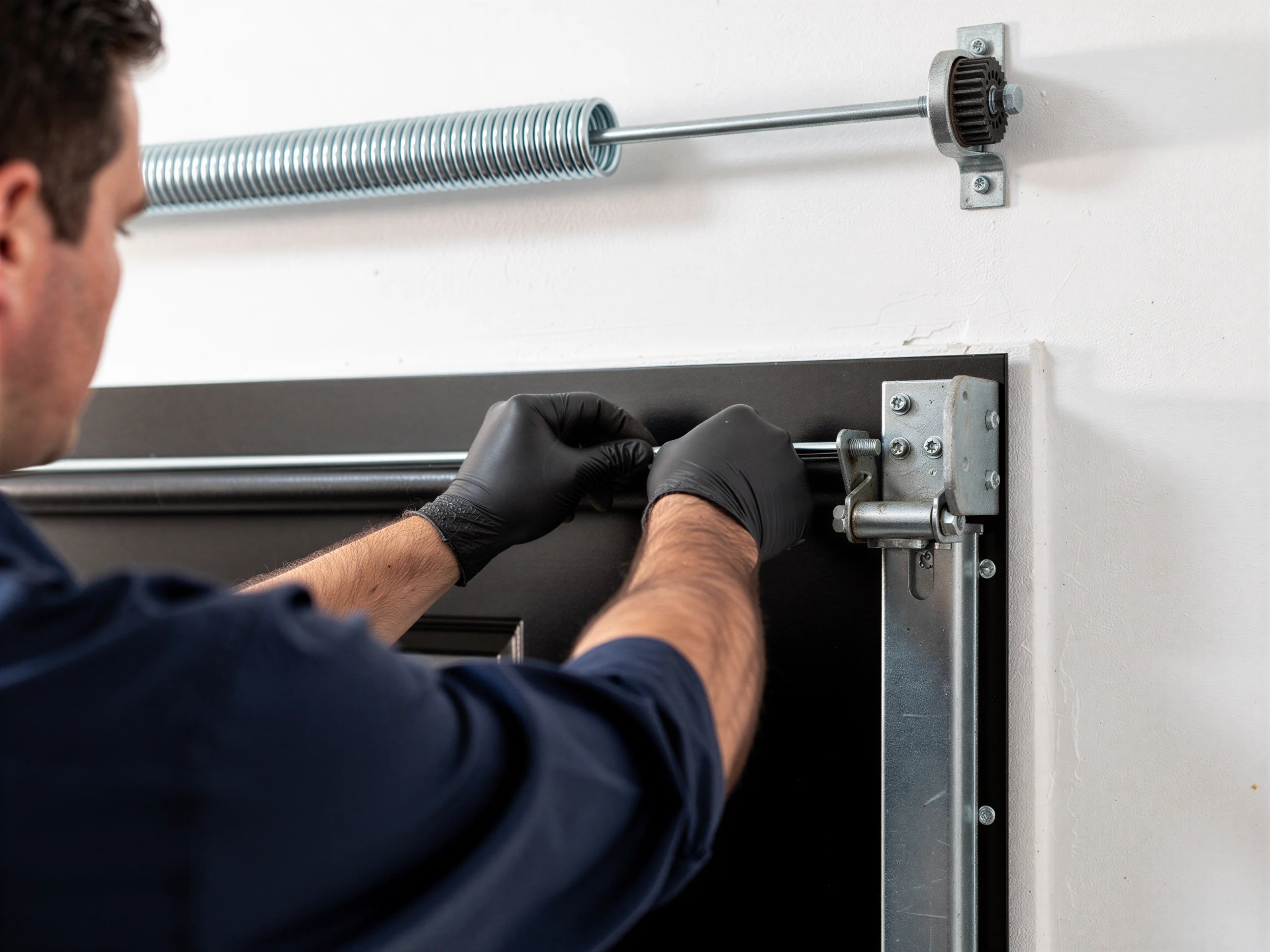
We carry torsion springs sized for standard two-car and single-car residential doors, galvanized cable, nylon and steel rollers, and photo-eye sensor kits that match the wiring on openers from this build era.
Four Corners, Sugar Land
Garage door repair and tune-up service for Four Corners, TX, a newer-built pocket of the Sugar Land service area six miles out, with parts matched to 2000s-era doors.
The repair
Four Corners homes carry a median build year of 2004, a decade past the service area's overall median of 1995. That gap matters more than it sounds like it should.
A fix here usually means working on a door and opener that were installed to a later code cycle and a later generation of hardware, not the one-piece or early sectional doors you'd find in the pockets of the service area built in the 1970s and 80s.
The job starts the same way every job does: open the door by hand, check spring balance, look at the track for daylight gaps, and listen to the opener cycle. But what we're diagnosing on a 2004-built garage is more often a worn extension spring cable, a opener logic board going flaky, or a photo-eye sensor knocked out of alignment than it is a rusted-through torsion spring on original side-mount hardware.
Newer doors also tend to run heavier insulated steel panels, which puts more load on rollers and hinges over time even when the spring is fine. We bring the same truck and the same diagnostic pass either way, but the parts we reach for first are different because the housing stock here is different.
On the truck
Because Four Corners sits on the newer end of the area's build range, the openers we see most are belt-drive and screw-drive units with rolling-code boards rather than the older chain-drive openers common in the 1980s-era neighborhoods.
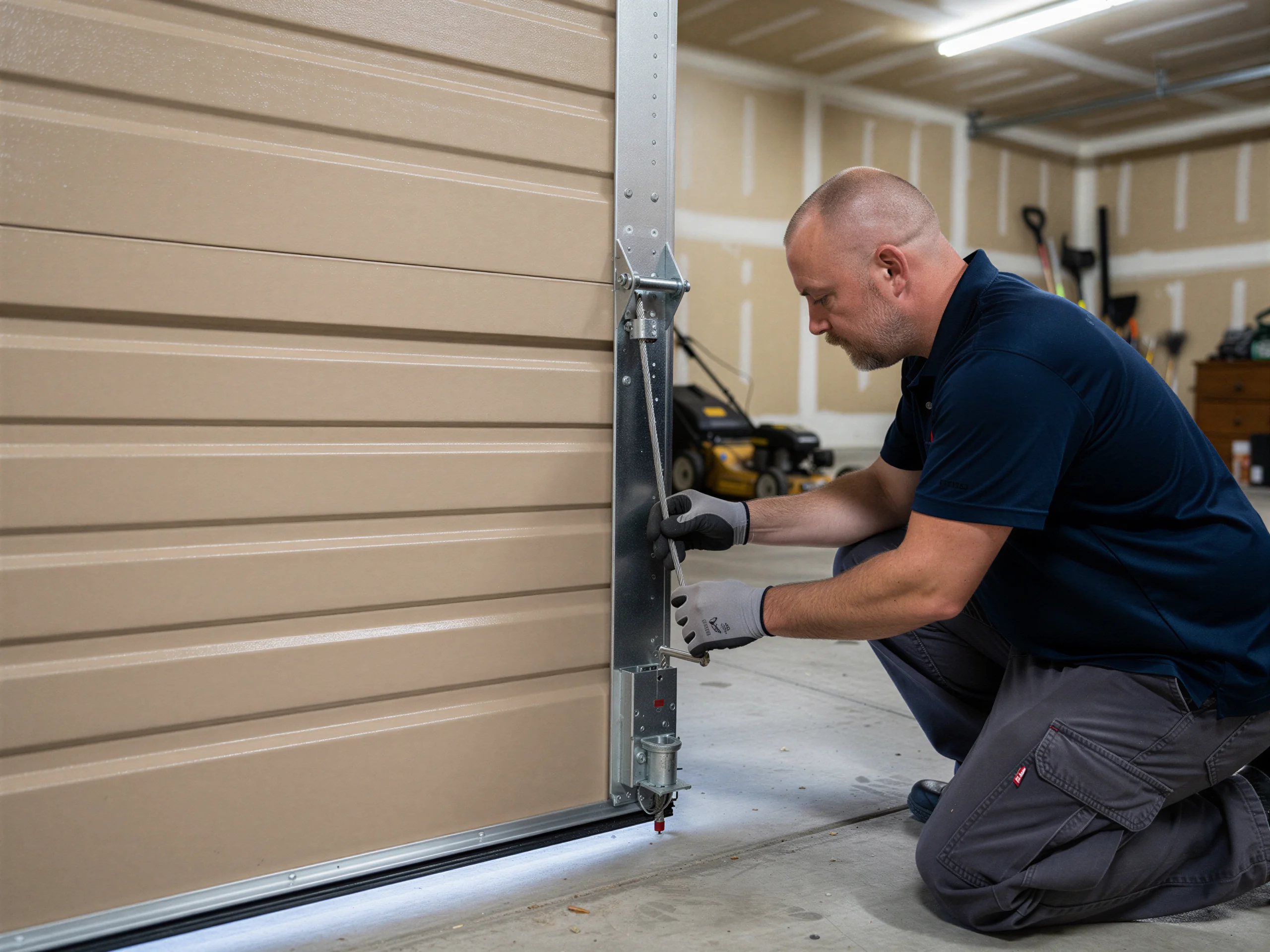
We carry torsion springs sized for standard two-car and single-car residential doors, galvanized cable, nylon and steel rollers, and photo-eye sensor kits that match the wiring on openers from this build era.
What we don't keep on the truck is anything for a door we haven't seen yet - certain opener control boards for less common brands, for instance, can mean a short order wait before a repair finishes. We'll tell you up front if that's the case rather than guess at a fix.
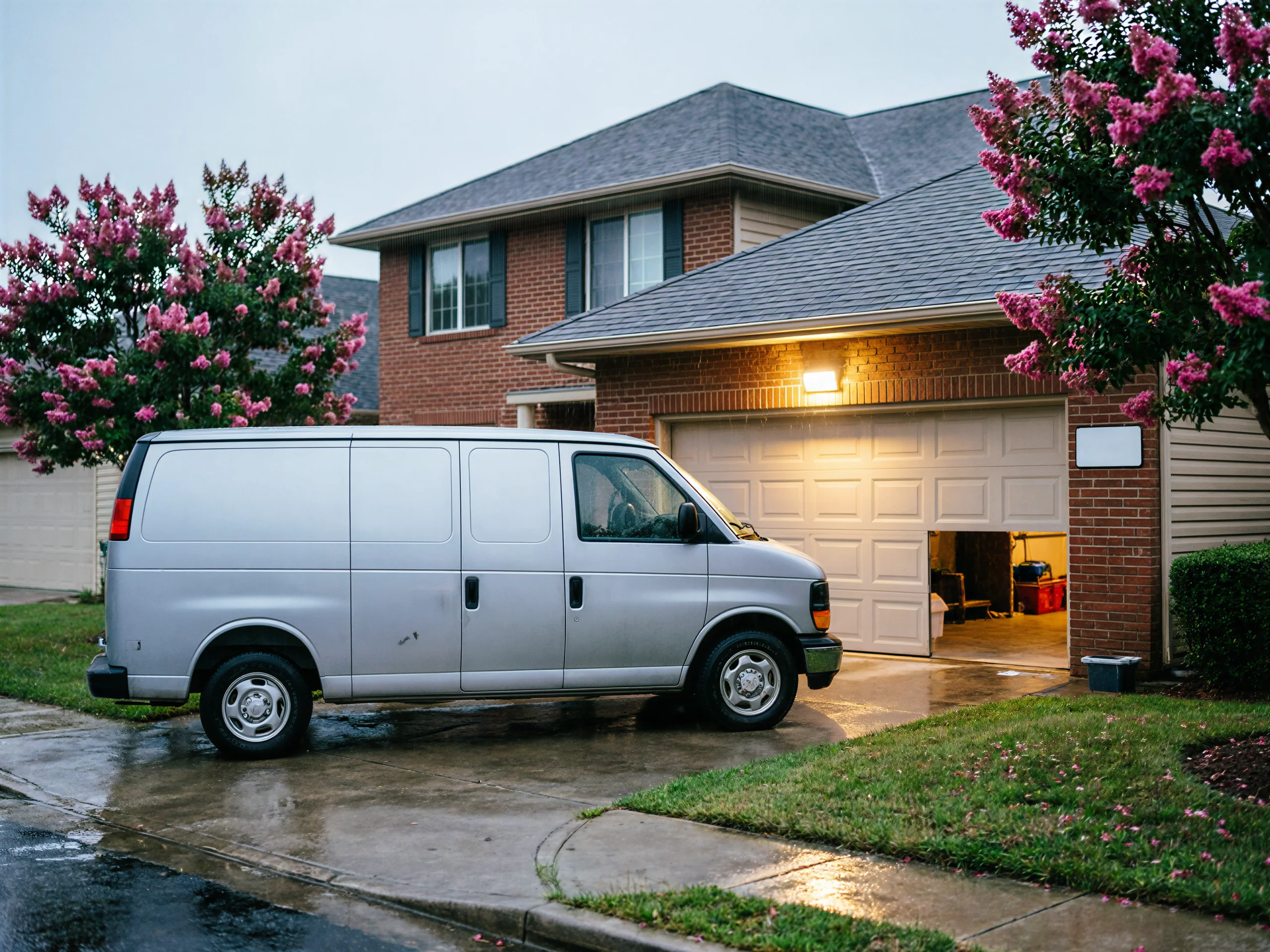
For a pocket this size, with roughly 3,243 households, we're not running a dedicated stock location here; we load the truck in Sugar Land based on what a 2000s-era door is likely to need and drive it out.
Local causes
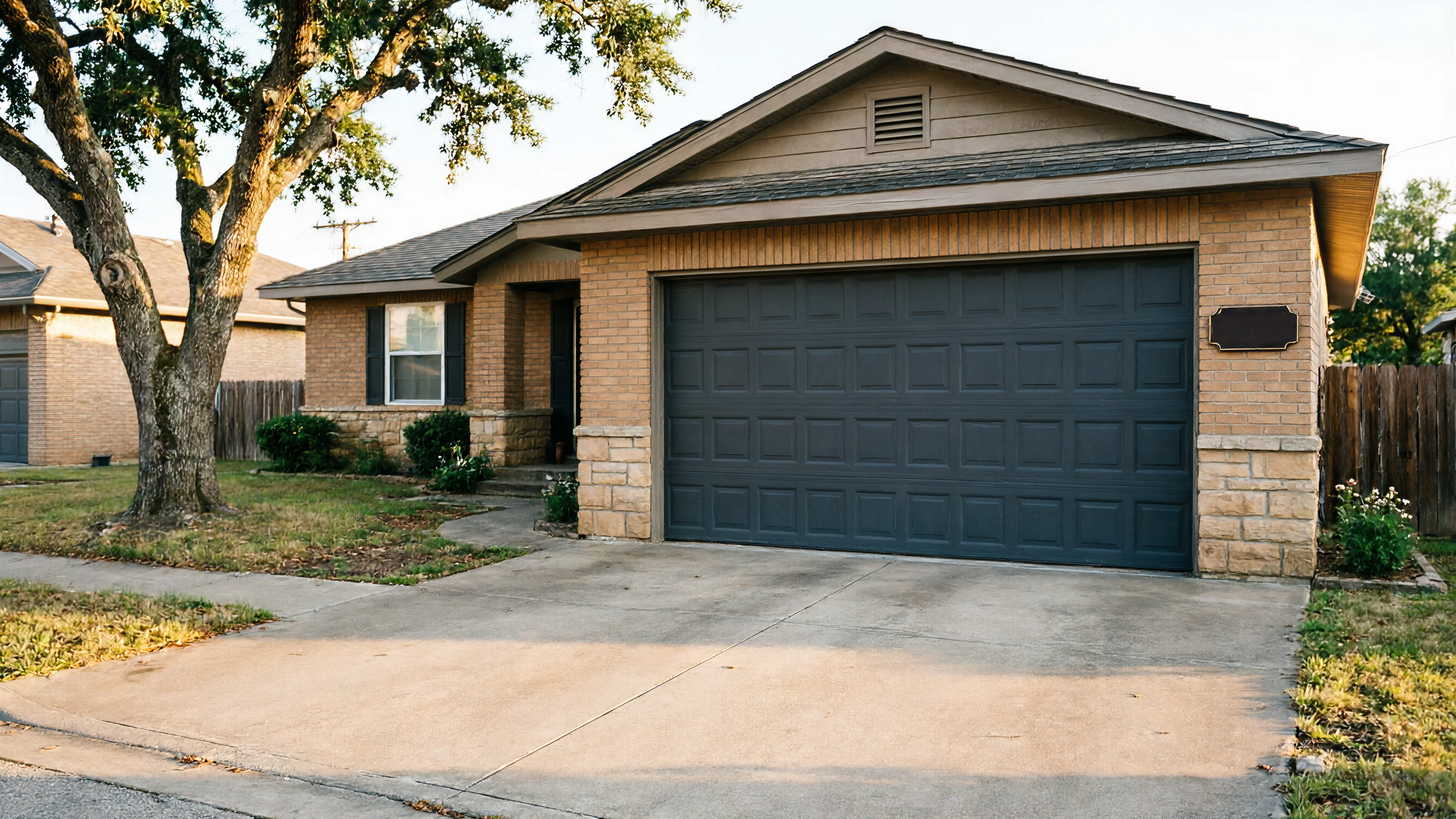
The climate band for this part of the service area is moderate heat, and heat is what tires out spring steel and opener lubricant over years, not any single storm event. On a door built after 2000, the failure pattern tends to start with the opener - drive belts stretching, logic boards failing from years of garage heat - before the springs give out, because the springs on newer doors are generally sized with a bit more margin than the originals on much older stock. We also see photo-eye sensors drift out of alignment on these slab foundations as the concrete settles slightly over the first couple decades, which trips the opener's safety reverse and makes the door look broken when it's really just a sensor three degrees off level. None of this is dramatic. It's steady wear on parts that were installed correctly twenty years ago and are simply due.
Watch-outs
At six miles from Sugar Land, a service call here adds a short drive, not a separate crew or a depot - we're not claiming a branch in Four Corners, just a quick trip from where the truck is stocked.
The complication that actually shapes the job is money, not distance. The area's median household income of $72,853 sits well below the broader Sugar Land service area's $126,167, and that gap shows up in how we talk about repair versus replacement.
A full door and opener swap pencils out differently on this budget than it does in parts of the service area with higher median income, so we lean harder toward fixing what's there - respringing, resealing, replacing a single panel - before we recommend tearing the whole door out. That's not a discount; it's just a different set of defaults for what counts as worth fixing.
DIY or pro
Serving Sugar Land, TX
Swapping a worn roller or tightening opener bolts is reasonable weekend work if you're comfortable on a ladder. Torsion springs are not - they're wound under enough tension to break a hand or worse, and that's true no matter how new the door is. Realigning a photo-eye sensor is usually a five-minute job once you know what you're looking at, and plenty of Four Corners homeowners handle that themselves before calling anyone. Where we'd tell you to stop is anything involving the spring, the cable under tension, or an opener logic board under warranty, since opening the case yourself can void a manufacturer warranty on a door this age. If the door won't move at all, don't force the opener by holding the button down - that burns out the motor faster than the original problem would have.
Warning signs
A door that reverses halfway up for no reason is almost always a photo-eye sensor out of alignment, not a spring problem, especially on a door built after 2000.
A door that's suddenly loud - grinding or popping on the way up - points to a dry or worn roller rather than a cable issue on newer hardware. If the opener runs but the door doesn't move, or moves and then stalls, that's often a stripped belt or gear on a belt-drive unit rather than a broken spring.
A door that won't stay up on its own, sagging back down when you let go, is a balance problem and usually does mean the spring, regardless of the door's age.
None of these are emergencies that need a same-day call, but none of them get better by waiting, either - a stalled opener motor working against a bad spring will burn out faster the longer it runs.
Questions
No. Four Corners is served from Sugar Land, about six miles away. There's no separate depot or crew stationed in Four Corners - the truck is stocked in Sugar Land and comes out for the job.
Newer doors in Four Corners typically run belt-drive or screw-drive openers with rolling-code boards and heavier insulated steel panels, compared to the chain-drive openers and lighter doors common on 1980s-era stock elsewhere in the service area. The wear pattern and the parts that fail first are different.
It depends on what's broken. Given the area's median income, we usually recommend fixing a spring, cable, roller, or sensor issue before suggesting a full replacement, unless the door itself is structurally damaged or the opener is failing beyond repair.
Explore more
Ready when you are
Sugar Land Garage Door Co repairs and installs garage doors, springs and openers in Sugar Land, TX and the surrounding area.